TB-500 is not approved for human use by major regulators and is banned by WADA in tested sport. Nothing on this page is medical advice.
Overall Rating: 6.9 out of 10
More interesting than most recovery peptides because of the broader TB4 literature, but still limited by fragment-versus-parent uncertainty, lack of approval, and thin human data on TB-500 itself.
Every link in this article was verified as a real, accessible publication at the time of writing. We use PubMed, PMC, NEJM, JAMA, FDA.gov, and peer-reviewed journals only. No Wikipedia. No vendor blogs.
TB-500 has a strong following in athletic recovery circles. It's talked about for injuries, inflammation, and systemic healing in a way most peptides aren't. And unlike a lot of research chemicals that stay underground, this one has made it onto WADA's banned list, which tells you something about how seriously the sports world takes it.
But here's the thing: most of the science people cite for TB-500 is actually science on Thymosin Beta-4, the larger protein it comes from. TB-500 is a fragment. Related, but not the same. That gap matters when you're trying to figure out what's actually proven.
This review covers both. And it's honest about which is which.
Key Takeaways
- TB-500 is a synthetic fragment of Thymosin Beta-4 (TB4), a protein naturally found in most human and animal cells
- Most research is on TB4, not TB-500 itself. That distinction affects how to read all the evidence
- It works systemically, covering the whole body rather than targeting a specific area
- TB4 has some of its strongest data in cardiovascular and wound healing contexts
- TB-500 is banned by WADA. Competitive athletes using it risk disqualification
- Often stacked with BPC-157 for recovery
- Not approved for human use anywhere. Sold as a research chemical
- Long-term human safety data is essentially nonexistent for TB-500 specifically
Table of Contents
- What is TB-500?
- TB-500 vs TB4: the research gap
- Why researchers find it interesting
- How it works
- Dosing
- What does the evidence show?
- TB-500 vs BPC-157
- Athletic use and WADA status
- Safety and side effects
- What happens when you stop?
- Legal status and sourcing
- Unanswered questions
- Final take
- FAQ
What is TB-500? Definition and Origin

TB-500 is a man-made version of a small part of Thymosin Beta-4, a protein found in almost every cell in humans and animals. This protein plays a major role in fixing damaged tissue, lowering swelling, and helping cells grow.
The fragment used in TB-500 corresponds to the part of TB4 believed to be responsible for most of its biological activity. Specifically, it contains the actin-binding domain of TB4, which is central to how the protein does its work. The specific sequence is the amino acids 17 to 23 segment of TB4, known as LKKTETQ.
TB-500 is taken as an injection under the skin or into the muscle. Unlike BPC-157, it doesn't work if swallowed as a pill. It is usually sold as a freeze-dried powder that you mix with special sterile water before using.
TB-500 vs TB4: The Research Gap
This section exists because skipping it would be dishonest.
When people talk about TB-500's evidence base, they're often pointing to studies on Thymosin Beta-4, not TB-500 itself. The two are related but not identical. TB-500 is a fragment. It contains the key active sequence of TB4, but it's shorter and structurally different in ways that could matter.
Does the fragment behave the same as the full protein in humans? Probably in many ways, yes. But research directly on TB-500 as a standalone compound is limited compared to the TB4 literature. Most of what's known comes from TB4 studies in animals or early-phase human trials on TB4, not TB-500.
So throughout this review, when a study is about TB4, that's what it says. When it's TB-500 specifically, that's noted too. The two terms aren't interchangeable, and treating them as if they are gives a false sense of certainty.
Why Researchers Find TB-500 Interesting
TB4 and TB-500 attract attention for a few reasons that go beyond standard tissue repair peptides.
First, TB4 is found naturally and all over the body. This makes it different from many other lab-made peptides. Since the body already produces it, researchers want to see if adding more of it can make healing happen faster than normal.
Second, it affects the whole body. Most similar peptides only work on the specific spot where they are applied. TB4 and TB-500 travel through the bloodstream to many different types of tissue, which makes them popular for recovering from injuries that affect more than one part of the body.
Third, the stem cell recruitment angle is genuinely compelling. TB4 appears to help mobilize progenitor cells, which are early-stage cells that can develop into specific tissue types needed for repair. That's a different mechanism than most other recovery peptides and one that could explain broader healing effects.
How TB-500 Works
Actin Regulation
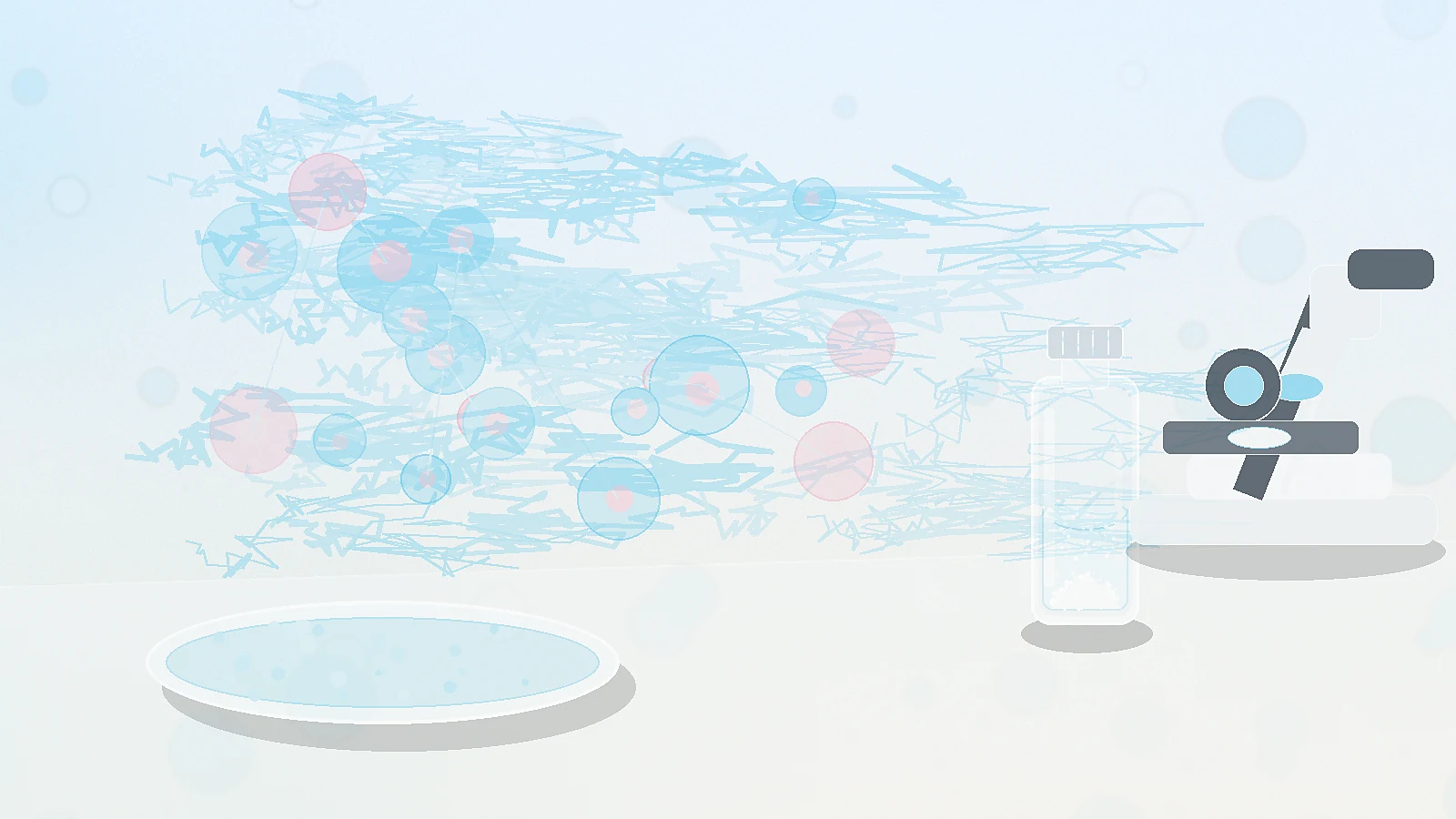
This is the main way it works. Actin is a protein that acts like a frame for your cells, helping them move and grow. TB4 manages actin to help cells move around. This means the body's "repair crew" of cells can travel to an injury much faster, which is why it helps so much with healing wounds and fixing tissue.
Angiogenesis
TB4 also helps trigger the growth of new blood vessels in damaged areas. By bringing more blood to an injury, the body can deliver the nutrients and signals needed to fix the damage much more quickly.
Anti-inflammatory Pathways
Another important feature is how TB4 calms down swelling in hurt tissue. It doesn't just stop all inflammation, though. It acts more like a balancer, soothing the long-term, nagging swelling that slows down recovery while letting the initial healing process happen naturally.
Stem Cell and Progenitor Cell Signaling
This is one of the most interesting parts. TB4 seems to pull "blank slate" repair cells from the bone marrow to the site of an injury. In heart research especially, this is a big deal. Getting the right healing cells to the right place faster is a huge part of recovery.
TB-500 Dosing
TB-500 is not approved for human use, so there's no official dosing protocol. What exists comes from animal research and community self-reporting.
Common patterns in the biohacking and athletic recovery community:
| Phase | Duration | Dosage | Frequency |
|---|---|---|---|
| Loading phase | Weeks 1 to 4 or 1 to 6 | 5 to 10 mg | Per week, split into two injections |
| Maintenance phase | Ongoing | 2 to 2.5 mg | Every one to two weeks |
These numbers are extrapolated from research protocols and community experience, not clinical trials. The loading/maintenance distinction makes biological sense given how TB4 works in tissue repair, but it hasn't been formally validated for TB-500 in humans.
Injectable only. Subcutaneous or intramuscular. There is no evidence supporting oral administration for systemic effects.
Talk to a clinician before using this. The community dosing ranges are not a substitute for medical guidance.
What Does the TB-500 Evidence Show?
To be clear about what you're reading: most of the studies cited here are on Thymosin Beta-4, not TB-500 directly. Where TB-500 is specifically studied, that's flagged. Read accordingly.
Cardiovascular and Cardiac Tissue Repair
This is where TB4 has some of its strongest data, and it's more often overlooked than it should be.
Multiple studies have looked at TB4 in cardiac injury contexts. In animal models, TB4 promoted survival of cardiac muscle cells after simulated heart attack conditions and supported new blood vessel formation in ischemic heart tissue. A key mechanism here is the stem cell and progenitor cell mobilization mentioned above.
Importantly, early human-adjacent research has pointed in similar directions. A Phase I clinical trial investigated TB4 in patients with ischemic heart failure. Results were preliminary, but tolerability was generally acceptable at the doses tested and some functional improvements were observed. This is one of the few areas where TB4 has touched actual human clinical trial data, which is worth knowing.
Musculoskeletal Recovery
The most common reason people use TB-500 is for muscle, tendon, and ligament recovery. Animal data here is consistent: TB4 accelerates healing of skeletal muscle injury, tendon damage, and ligament repair, mainly through the actin regulation and angiogenesis mechanisms.
There are no human RCTs specifically on TB-500 for musculoskeletal injuries. The community evidence is substantial in volume but anecdotal in quality. Reports of faster recovery from tendon tears and muscle strains are common. They can't be given the same weight as a controlled study.
Wound Healing
Separate from the musculoskeletal angle, TB4 has published work specifically on wound healing and skin repair. The actin regulation mechanism is directly relevant here: faster cell migration means faster wound closure. Animal models show meaningful acceleration in wound repair. There is also some work on TB4 and hair follicle stimulation, a minor but real area of the literature that readers ask about.
Neurological Research
More preliminary than the above. TB4 has been studied in contexts including traumatic brain injury and spinal cord damage in animal models, with results suggesting neuroprotective effects and some degree of functional recovery. This is early-stage research. Interesting, not proven.
TB-500 vs BPC-157: Which Does What
Most-searched comparison in this corner of the internet, and for good reason. The two get stacked constantly, so understanding what each actually brings matters.
The fundamental difference: BPC-157 is targeted, TB-500 is systemic.
BPC-157 works locally. Oral BPC-157 works on the gut lining specifically. Injectable BPC-157 promotes blood vessel growth and tissue repair at the site of injury. The nitric oxide and VEGF mechanisms are highly localized in their effects.
TB-500 circulates. It mobilizes cells from bone marrow, reduces systemic inflammation, and promotes repair across multiple tissue types at once. It's not aimed at one spot.
| TB-500 | BPC-157 | |
|---|---|---|
| Main mechanism | Actin regulation, stem cell signaling | NO signaling, VEGF, GH receptor |
| Effect profile | Systemic | Local/targeted |
| Best evidence for | Cardiac repair, wound healing, musculoskeletal | GI healing, tendon/ligament repair |
| Oral viable? | No | Yes, for gut conditions |
| Human trial data | Very limited (TB4 has slightly more) | Very limited |
The stacking rationale is that they cover different ground. BPC-157 drives local repair at an injury site. TB-500 handles the broader systemic response: inflammation control, blood vessel formation across multiple sites, cell recruitment. Mechanistically, combining them makes sense. No study has tested the stack in humans.
Athletic Use and WADA Status of TB-500
TB-500 is on the WADA prohibited list under peptide hormones, growth factors, related substances, and mimetics. It's banned in competition and out of competition.
This is a critical point for any competitive athlete considering it. It doesn't matter if TB-500 was obtained legally as a research chemical or used genuinely for injury recovery. If you're subject to WADA testing and it shows up, you're looking at a doping violation. The ban applies regardless of intent.
Detection methods for peptides like TB-500 have improved considerably in recent years. Assuming it won't be caught is not a safe bet for athletes in tested sports.
For non-competitive users, the WADA status is irrelevant to legality but worth knowing as context for how seriously sports authorities take its performance and recovery implications.
TB-500 Safety and Side Effects

The honest position here: long-term human safety data for TB-500 specifically is essentially nonexistent.
TB4 has a slightly longer human trial track record, particularly through the cardiac research. In those studies, tolerability was generally acceptable at the doses tested. No major safety signals emerged in the short-term data available.
What the community reports anecdotally (not clinical data):
- Fatigue in the first few days of use, especially during loading phase
- Mild headaches, particularly around injection timing
- Local irritation at injection sites
- Some users report temporary lethargy after high loading doses
No serious adverse events have been formally documented in the limited human trials that exist. The caveat applies here as it does everywhere in this space: "no documented serious events in small short-term trials" is not the same as confirmed long-term safety.
TB4 is naturally present in the body. Whether supplementing a fragment of it at research doses causes any disruption to natural TB4 production or signaling hasn't been studied.
What Happens When You Stop TB-500?
No published data on TB-500 discontinuation exists.
The mechanism doesn't suggest dependency. TB4 is naturally occurring, and TB-500 is thought to work by temporarily amplifying a process the body already runs. When you stop, the assumption is that repair activity returns to baseline rather than dropping below it.
Community consensus is that there's no meaningful withdrawal or rebound. That's a reasonable inference from the mechanism. It's not a finding from a study.
Legal Status and Sourcing of TB-500
Not approved by the FDA, EMA, MHRA, or Health Canada for any human use. Research chemical status in most countries. Legal to sell for laboratory research, not cleared for human consumption.
The WADA ban adds a separate layer for athletes. Even if possession is legal in your country, competing with it in your system in a WADA-governed sport is a violation.
Sourcing quality is a genuine problem. The same issues that affect BPC-157 apply here. Independent testing of peptides sold online has found mislabeling, contamination, and underdosing repeatedly. Third-party Certificate of Analysis is the minimum standard. The FDA's warnings about unapproved peptides sold online apply directly.
Unanswered Questions About TB-500
- Will TB-500-specific human trials happen? Almost all the human data is on TB4. Whether TB-500 as a fragment behaves identically in clinical conditions is genuinely unresolved.
- How much does the fragment differ from TB4 in practice? The active sequence is preserved, but TB4's full structure may matter in ways not captured by the fragment.
- What does long-term use look like? No one knows. The trials that exist are short.
- Does the cardiac research translate to healthy individuals or just post-injury contexts? The TB4 cardiac data comes from ischemic conditions. How relevant it is for general use is unclear.
- Does the BPC-157 stack outperform either alone? Mechanistically logical. Empirically untested.
Final Take on TB-500
TB-500 is genuinely interesting, and the research behind its parent compound TB4 is more developed than most people realize, particularly in cardiovascular contexts.
But the TB4 vs. TB-500 distinction matters. A lot of what gets cited as TB-500 evidence is actually TB4 evidence, and treating them as identical gives a false picture of how solid the data is.
The systemic nature of its effects, the stem cell recruitment angle, and the cardiac tissue repair data put TB4 in a different category from most recovery peptides. If human trials on TB-500 specifically ever get off the ground, this could look quite different. For now, it sits in the same place as most of this space: promising, mechanistically interesting, and waiting on proper human data.
If you're a competitive athlete: the WADA status is not a grey area. Be clear about that before anything else.
FAQ
What is TB-500?
A synthetic fragment of Thymosin Beta-4, a protein naturally found in most human and animal cells. It contains the portion of TB4 thought to be responsible for most of its biological activity.
Is TB-500 the same as TB4?
No. TB-500 is a fragment of the full Thymosin Beta-4 protein. Most research is on TB4. TB-500 likely shares much of TB4's activity, but they're not identical and shouldn't be treated as interchangeable when reading studies.
Is TB-500 banned in sport?
Yes. WADA prohibits it in and out of competition. Competitive athletes subject to WADA testing should treat this as a clear prohibition, not a grey area.
How is TB-500 different from BPC-157?
BPC-157 acts locally: it targets specific sites through nitric oxide and VEGF mechanisms. TB-500 is systemic, circulating through the body and promoting repair more broadly through actin regulation and stem cell recruitment. They're often stacked for that reason.
What does the evidence say about TB-500?
Most human-adjacent data comes from TB4 studies, not TB-500 directly. The strongest human data involves cardiac tissue repair. Musculoskeletal recovery data in humans is largely anecdotal. Animal studies are more developed.
Is TB-500 safe?
TB4 shows acceptable tolerability in early human trials. TB-500-specific long-term safety data doesn't exist. Community reports of side effects are generally mild. Not approved for human use anywhere.
Can you take TB-500 orally?
No evidence supports oral administration for systemic effects. Injectable is the only route that reflects the research.
Can TB-500 be stacked with BPC-157?
Commonly done. Mechanistically the combination makes sense: BPC-157 for local targeted repair, TB-500 for systemic coverage. No human studies have tested the stack.
About the author

Ahmed Khedri
Peptide research writer focused on evidence quality, clinical trial interpretation, and safety context.
Ahmed writes PeptideAWO reviews with an emphasis on separating clinical evidence from marketing claims. His work focuses on trial data, regulatory status, dosing context, and the practical safety questions readers should understand before researching a compound.
Peptides that pair well with TB-500
Tirzepatide Review 2026: The Dual Agonist That Beat Semaglutide in a Head-to-Head Trial
A dual GIP/GLP-1 agonist review covering SURMOUNT-5, the GIP question, MASH data, compounding rules, side effects, and access.
Read reviewSemaglutide (Ozempic/Wegovy): The 2026 Guide to Weight Loss, Cardiovascular Data & In-Depth Analysis
An FDA-approved GLP-1 review covering STEP weight-loss data, SELECT cardiovascular outcomes, rebound after stopping, side effects, access, and compounding concerns.
Read reviewRetatrutide Review 2026
Extremely promising weight loss results in clinical trials. Up to ~24% body weight loss in trials, but not yet FDA approved.
Read reviewGet Personalized Supplier Recommendations
Enter your email and we'll send you the best suppliers to buy TB-500 from.
We only recommend suppliers we've vetted. No spam.