Semaglutide is a prescription drug. This page is educational and is not medical advice.
Overall Rating: 9.4 out of 10
Strong clinical evidence, FDA-approved indications, and landmark cardiovascular outcomes data, balanced against GI side effects, rebound after stopping, access barriers, and boxed-warning considerations.
Every link in this article was verified as a real, accessible publication at the time of writing. We use PubMed, PMC, NEJM, JAMA, FDA.gov, and peer-reviewed journals only. No Wikipedia. No vendor blogs.
Semaglutide doesn't need an introduction, Ozempic is a household name by this point. Celebrities, TikTok stars, dinner party conversations, you hear and see it everywhere you go, whether you want to or not. Matter of fact, a KFF poll conducted in November of 2025 shows that about 1 in 5 adults have taken GLP-1 drugs such as Ozempic or Wegovy at some point.
However, Ozempic-the-phenomenon and semaglutide-the-drug are two different things. One is a cultural story about weight loss and access. The other is a GLP-1 receptor agonist (a type of drug that mimics a natural gut hormone to control blood sugar and appetite) with the strongest evidence base of any compound on this site, including landmark cardiovascular outcomes data (data about how the drug affects heart attacks, strokes, and heart-related death) that changes what this drug means for medicine.
This review treats it as the latter.
Key Takeaways
- Semaglutide is an FDA-approved GLP-1 receptor agonist (a type of drug that mimics a natural gut hormone to control blood sugar and appetite) sold as Ozempic (type 2 diabetes), Wegovy (obesity), and Rybelsus (oral, type 2 diabetes)
- STEP 1 trial: 14.9% mean body weight loss over 68 weeks. 50% of participants lost 15% or more
- SELECT trial: 20% reduction in major cardiovascular events in obese patients without diabetes. This is the landmark finding
- Carries an FDA black box warning for thyroid C-cell tumors (based on rodent studies)
- STEP 4: participants who stopped semaglutide regained an average of 6.9% body weight over 48 weeks
- Compounded semaglutide is the subject of an active FDA crackdown
- Approved for adolescents ages 12+ for obesity
- Not a cure. Requires ongoing treatment to maintain weight loss
- List price is approximately $1,000 to $1,350/month without insurance
Semaglutide, In Simple Terms
- What it is: A lab-made version of a hormone your gut already produces (GLP-1). It tells your brain you're full, slows your stomach from emptying, and helps your pancreas release insulin at the right times.
- "Food noise": This is the term patients use most. That constant background hum of thinking about food, planning meals, craving snacks. Semaglutide turns it down. For many people, that's the most noticeable effect before the scale even moves.
- Three products, one molecule: Ozempic is for diabetes (up to 2 mg/week). Wegovy is for weight loss (2.4 mg/week). Rybelsus is an oral tablet for diabetes. Same drug, different doses and approvals.
- The cardiovascular bombshell: In over 17,000 patients, semaglutide reduced heart attacks, strokes, and cardiovascular death by 20% in people who were overweight but didn't have diabetes. That's not a weight-loss finding. That's a cardiovascular medicine finding.
- The catch: Stop taking it and the weight comes back. About two-thirds of lost weight returns within a year of stopping. This means most people need to stay on it indefinitely, which makes the cost and access issues very real.
Table of Contents
- What is semaglutide?
- Ozempic vs Wegovy vs Rybelsus
- How it works
- Dosing
- What does the evidence show?
- How does it compare to tirzepatide and retatrutide?
- Muscle loss and "Ozempic face"
- The compounded semaglutide controversy
- Side effects
- What happens when you stop?
- Cost, insurance, and access
- Legal and regulatory status
- Off-label use and the "lifestyle drug" debate
- Unanswered questions
- Final take
- FAQ
What is Semaglutide?

Semaglutide is a synthetic analog of glucagon-like peptide-1 (GLP-1), a hormone naturally produced in the gut after eating. It's been engineered with a fatty acid side chain that allows it to bind to albumin in the blood, extending its half-life to roughly 7 days. That's why it works as a once-weekly injection.
It was developed by Novo Nordisk and first approved by the FDA in 2017 (Ozempic for T2D (Type 2 Diabetes)). Wegovy followed in 2021 for chronic weight management.
Ozempic vs Wegovy vs Rybelsus
Same molecule; different products.
Ozempic: Injectable, approved for type 2 diabetes. Doses up to 2 mg/week. Also has cardiovascular risk reduction approval for T2D patients.
Wegovy: Injectable, approved for chronic weight management. Dose: 2.4 mg/week (higher than Ozempic's max). This is the dose used in the STEP weight-loss trials. Also approved for adolescents 12+.
Rybelsus: Oral tablet, approved for type 2 diabetes only. Doses of 7 or 14 mg daily. Must be taken on an empty stomach with no more than 4 oz of water, 30 minutes before eating. The oral bioavailability (how much of the drug the body actually absorbs when taken by mouth) is roughly 1%, which is why the dosing requirements are so strict. Rybelsus is not the same clinical experience as injectable semaglutide.
How Semaglutide Works
Brain-Level Appetite Control
It directly targets GLP-1 receptors in the hypothalamus—the brain's biological thermostat for hunger. By turning these receptors on, Semaglutide doesn't just physically fill you up; it kills the psychological drive to eat. This is where the famous loss of "food noise" comes from. That constant, low-level mental chatter about your next meal gets completely muted for most users.
Delayed Gastric Emptying
It physically slams the brakes on your digestion. Food literally stays in your stomach longer. This biological bottleneck forces a massive drop in daily calories because the physical sensation of fullness lasts for hours. The trade-off? This exact mechanism is what triggers the nausea and gastrointestinal nightmare that forces a lot of people to quit the drug entirely.
Pancreatic Signaling
This is why it was built for diabetics first. When you take a bite of food, the peptide forces your pancreas to release insulin while simultaneously crushing the production of glucagon (the hormone responsible for spiking your blood sugar).
Systemic Cardiovascular Protection
This is the frontier that has the medical world paying attention right now. The massive SELECT trial recently proved that Semaglutide drastically cuts down cardiovascular events. But here is the catch: the data showed the heart benefits weren't just a byproduct of patients losing weight or fixing their glucose levels. The drug appears to directly target the vascular system, reducing systemic inflammation in ways that go far beyond basic energy metabolism.
Semaglutide Dosing
| Drug | Dose | Weeks/Duration |
|---|---|---|
| Wegovy | 0.25 mg | Weeks 1-4 |
| 0.5 mg | Weeks 5-8 | |
| 1 mg | Weeks 9-12 | |
| 1.7 mg | Weeks 13-16 | |
| 2.4 mg | Maintenance | |
| Ozempic | 0.25 mg | Weeks 1-4 |
| 0.5 mg | Weeks 5-8+ | |
| 1 mg | Optional (Maintenance) | |
| 2 mg | Optional (Maintenance) |
What Does the Evidence on Semaglutide Show?

Weight Loss (STEP Program)
STEP 1 (NEJM, 2021): 1,961 adults with obesity, no diabetes. 68 weeks. Semaglutide 2.4 mg produced mean weight loss of 14.9% vs 2.4% for placebo. 86% of participants lost at least 5%. 50% lost at least 15%. One-third lost 20% or more.
STEP 5 (Nature Medicine, 2022): 304 participants over 104 weeks. Mean weight loss of 15.2% with semaglutide, maintained with minimal regain over 2 years of continued treatment.
Cardiovascular Outcomes (SELECT Trial)
SELECT (NEJM, 2023): 17,604 patients with cardiovascular disease, overweight or obesity, no diabetes. Mean follow-up 39.8 months. Primary composite endpoint (a single measure that combines multiple events like heart attack, stroke, or death) (cardiovascular death, nonfatal MI, nonfatal stroke): 20% relative risk reduction with semaglutide (HR 0.80, 95% CI 0.72-0.90, P\<0.001).
This is the finding that elevates semaglutide beyond a weight-loss drug. A 20% reduction in major cardiovascular events in non-diabetic patients is a cardiovascular medicine result, not just an obesity result.
Adolescents
STEP TEENS (NEJM, 2022): Semaglutide in adolescents 12 to 17 produced a placebo-subtracted weight change of -17.4 percentage points, actually exceeding adult results.
How Does Semaglutide Compare to Tirzepatide and Retatrutide?
This is the question readers are actually asking.
| Drug | Mechanism | Products/Status | Approximate Mean Weight Loss |
|---|---|---|---|
| Semaglutide | Single GLP-1 agonist | Ozempic, Wegovy, Rybelsus | \~15% (STEP 1) |
| Tirzepatide | Dual GLP-1/GIP agonist | Mounjaro, Zepbound | \~22.5% (SURMOUNT-1) |
| Retatrutide | Triple GLP-1/GIP/Glucagon agonist | Still in Phase 3 development | \~24% (Phase 2) |
Important caveat: cross-trial comparisons are imperfect. Different populations, designs, and timeframes. But the trend is clear: each additional receptor mechanism adds to weight loss. Semaglutide started the era. It's no longer the ceiling.
Muscle Loss and "Ozempic Face"
Real concern, needs honest treatment.
In the DXA substudy (a specialized test using X-rays to measure bone, fat, and muscle mass) of STEP 1, semaglutide led to greater reduction in fat mass than lean body mass (everything in the body that isn't fat), and the ratio was described as consistent with prior GLP-1 data. But any significant weight loss, whether from drugs, surgery, or dieting, involves some lean mass loss.
"Ozempic face" refers to facial volume loss from rapid fat reduction. It's real. It's cosmetic. It happens with any rapid weight loss.
The mitigation is straightforward: adequate protein intake (at least 1.2 to 1.6 g/kg/day) and resistance training. Whether patients actually do this is a different question. The concern isn't that semaglutide causes unique muscle loss. It's that rapid weight loss of any kind does, and most patients aren't adequately coached on resistance training alongside the prescription.
The Compounded Semaglutide Controversy
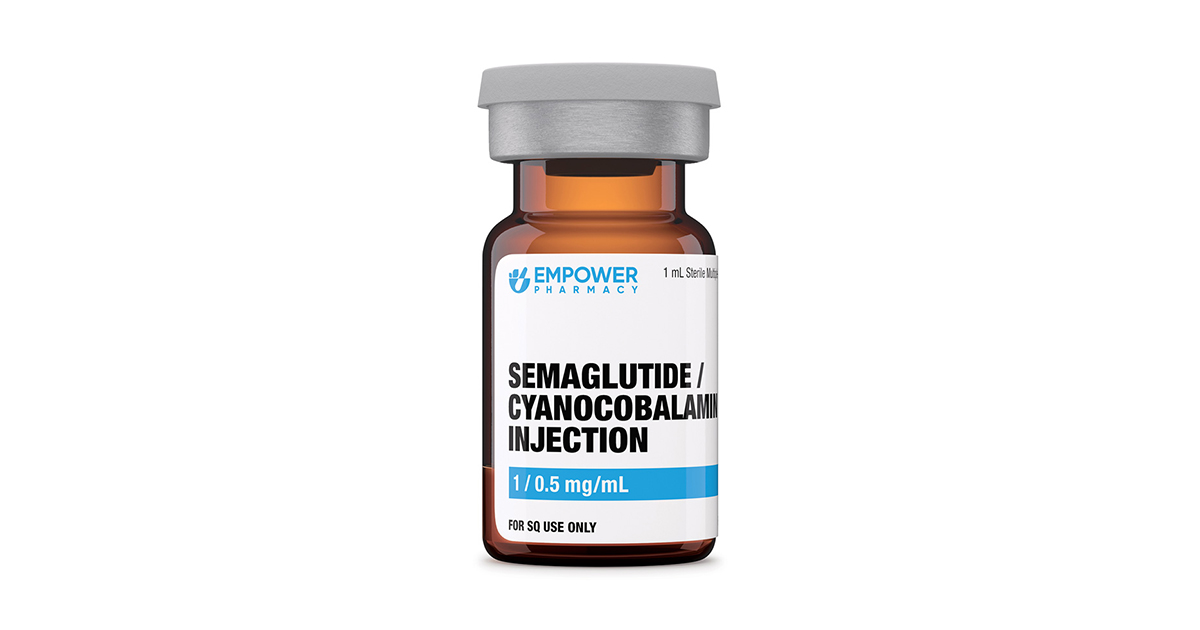
During semaglutide shortages, compounding pharmacies stepped in to produce their own versions. This created a massive market of cheaper semaglutide available without the Novo Nordisk branding.
The FDA has since moved to restrict compounded semaglutide, arguing that the shortage has resolved and that compounded versions carry risks of impurity, incorrect dosing, and lack of regulatory oversight. Many compounders challenged this. The legal and regulatory situation remains fluid.
What you need to know: compounded semaglutide is not FDA-approved. It hasn't been tested for bioequivalence (meaning the drug works the same way as the original approved version). Quality varies by compounder. Some produce high-quality product; others don't. If you're on a compounded version, ask for third-party testing results.
Semaglutide Side Effects

GI effects: Nausea (44%), diarrhea (31%), vomiting, constipation. Most common during titration. Usually improve over time. This is directly from the STEP 1 data. Titrating slowly is the single most important thing for tolerability.
Gastroparesis: Delayed gastric emptying is the mechanism, but in some patients it becomes clinically significant. This has implications for surgical anesthesia. Patients on GLP-1 agonists who haven't disclosed their use before surgery face aspiration risk because their stomachs may not be empty despite fasting.
Thyroid C-cell tumor risk: FDA black box warning. Semaglutide caused thyroid C-cell tumors in rodents at clinically relevant exposures. Whether this applies to humans is unknown. Contraindicated in patients with personal or family history of medullary thyroid carcinoma (a specific type of thyroid cancer) or MEN2 (a genetic syndrome that causes it).
Pancreatitis (inflammation of the pancreas): Reported in clinical trials. 0.3% incidence in SELECT for both semaglutide and placebo groups.
Gallbladder complications: Cholelithiasis and cholecystitis (gallstones and inflammation of the gallbladder) are documented. Rapid weight loss itself increases gallstone risk.
"Ozempic babies": Semaglutide's GI effects (nausea, vomiting, diarrhea) can reduce the absorption of oral contraceptives. Unintended pregnancies have been documented. Women on oral birth control should be aware and discuss backup methods.
Psychiatric monitoring: The FDA and EMA have investigated reports of suicidal ideation and depression linked to GLP-1 agonists. Preliminary reviews haven't established a causal link, but the signal is being monitored. Patients with psychiatric history should be aware.
What Happens When You Stop Semaglutide?
Named data exists for this. STEP 4 (JAMA, 2021): participants who stopped semaglutide after a 20-week run-in regained an average of 6.9% body weight over the next 48 weeks, while those who continued lost an additional 7.9%. The difference was 14.8 percentage points.
The STEP 1 extension showed participants regained two-thirds of their prior weight loss within one year after stopping. Cardiometabolic improvements reversed in parallel.
This confirms what the biology predicts: obesity is a chronic condition. Semaglutide treats it while you're on it. Stop the treatment, the condition returns. This isn't a failure of the drug. It's the nature of the disease. But it means most patients face indefinite treatment, which makes cost and access central issues.
Cost, Insurance, and Access to Semaglutide
List price: Approximately $1,000 to $1,350/month for Wegovy. Similar for Ozempic.
Insurance reality: Coverage varies enormously. Many insurers cover Ozempic for T2D but not Wegovy for obesity. Prior authorization is standard. Some employers exclude weight-loss medications entirely. Medicare Part D coverage of anti-obesity medications remains limited.
Novo Nordisk savings programs: Exist for commercially insured patients. Not available for government insurance.
The access gap: The people who would benefit most (lower-income populations with high obesity rates and cardiovascular risk) are often the least likely to afford it. This is the core equity issue in the GLP-1 era.
Legal and Regulatory Status of Semaglutide
US: FDA-approved as Ozempic (2017), Rybelsus (2019), Wegovy (2021). Compounded versions under FDA scrutiny.
EU: EMA-approved. Wegovy launched later than in the US, with availability still expanding.
UK: MHRA-approved. Available on NHS for specific obesity criteria.
Canada: Health Canada approved. Coverage varies by province.
Off-Label Use of Semaglutide and the "Lifestyle Drug" Debate
Significant off-label use exists. People without obesity or diabetes are using semaglutide (often obtained through telehealth or compounders) for cosmetic weight loss. The medical community is split. Some argue obesity is a disease and pharmacotherapy is appropriate across the spectrum. Others worry about prescribing a drug with a black box warning to people who want to lose 10 pounds for summer.
The honest answer: semaglutide's risk-benefit profile makes the most sense for patients with clinically significant obesity or weight-related comorbidities. The further you get from that population, the harder the justification becomes.
Unanswered Questions about Semaglutide
- How long should patients stay on semaglutide? Current data suggests indefinitely, but truly long-term (10+ year) data doesn't exist.
- Does the cardiovascular benefit extend to people without pre-existing cardiovascular disease? SELECT enrolled patients with established CVD. Broader populations haven't been tested.
- Can muscle loss be meaningfully mitigated at scale? In theory, protein and resistance training help. In practice, most patients don't receive adequate guidance.
- What does pediatric long-term use look like? The STEP TEENS data is promising short-term. Decade-long data in adolescents doesn't exist.
- Will semaglutide's cardiovascular benefits be matched or exceeded by newer agents? Tirzepatide's cardiovascular outcomes trial is ongoing.
Final Take
Semaglutide has the strongest evidence base of any compound on this site. That's not close. Multiple NEJM-published Phase 3 trials. Landmark cardiovascular outcomes data. FDA approval across multiple indications. Adolescent data. Two-year sustained efficacy.
But the side effect profile is real (GI effects, gastroparesis risk, black box warning). The rebound data is real (two-thirds of weight regain within a year of stopping). The cost and access barriers are real ($1,000+/month, inconsistent insurance coverage). And the muscle loss concern, while manageable, is inadequately addressed in practice.
If you qualify medically, semaglutide is the most evidence-supported pharmacological intervention for obesity available today. If you're considering it for cosmetic weight loss with no comorbidities, the risk-benefit calculation is different and worth having with a doctor, not a telehealth app.
FAQ
What's the difference between Ozempic and Wegovy?
Same drug, different doses and indications. Ozempic is for type 2 diabetes (up to 2 mg). Wegovy is for obesity (2.4 mg).
How much weight will I lose?
STEP 1 showed an average of 14.9% body weight over 68 weeks. Individual results vary widely.
What happens when I stop?
STEP 4 data: average 6.9% weight regain over 48 weeks after stopping. The STEP 1 extension showed two-thirds of lost weight returns within a year.
Does semaglutide protect the heart?
SELECT trial: 20% reduction in major cardiovascular events in overweight/obese patients with CVD but without diabetes.
Is compounded semaglutide safe?
Not FDA-approved. Quality varies. Some compounders produce tested, high-quality product. Others don't. Ask for COA documentation.
Can semaglutide cause thyroid cancer?
It carries an FDA black box warning based on rodent data. Human relevance is uncertain. Contraindicated with personal/family history of medullary thyroid cancer.
Does it cause muscle loss?
All significant weight loss involves some lean mass loss. Adequate protein and resistance training are the standard mitigation.
Can it interfere with birth control?
Yes. GI effects can reduce oral contraceptive absorption. Discuss backup methods with your provider.
How much does it cost?
List price: $1,000 to $1,350/month. Insurance coverage varies significantly. Manufacturer savings programs exist for commercial insurance.
Is it approved for teenagers?
Yes. Wegovy is FDA-approved for ages 12+ for obesity.
About the author

Ahmed Khedri
Peptide research writer focused on evidence quality, clinical trial interpretation, and safety context.
Ahmed writes PeptideAWO reviews with an emphasis on separating clinical evidence from marketing claims. His work focuses on trial data, regulatory status, dosing context, and the practical safety questions readers should understand before researching a compound.
Peptides that pair well with Semaglutide
Tirzepatide Review 2026: The Dual Agonist That Beat Semaglutide in a Head-to-Head Trial
A dual GIP/GLP-1 agonist review covering SURMOUNT-5, the GIP question, MASH data, compounding rules, side effects, and access.
Read reviewRetatrutide Review 2026
Extremely promising weight loss results in clinical trials. Up to ~24% body weight loss in trials, but not yet FDA approved.
Read reviewThymosin Alpha-1 Review 2026: Evidence, Dosage, and the Approved Drug Status
An immune-modulating peptide with approved-drug status in 35+ countries, hepatitis trial data, mixed COVID-19 evidence, and a strong safety record.
Read reviewGet Personalized Supplier Recommendations
Enter your email and we'll send you the best suppliers to buy Semaglutide from.
We only recommend suppliers we've vetted. No spam.