LL-37 has complex immune and cancer-context effects and is not FDA-approved for injectable use. Nothing on this page is medical advice.
Overall Rating: 6.6 out of 10
A biologically important antimicrobial peptide with strong topical and mechanistic evidence, but systemic use is limited by stability, inflammation, and cancer-context uncertainty.
Every link in this article was verified as a real, accessible publication at the time of writing. We use PubMed, PMC, NEJM, JAMA, FDA.gov, and peer-reviewed journals only. No Wikipedia. No vendor blogs.
LL-37 is the only cathelicidin (antimicrobial peptide family) humans produce (so far), and it does two things that are completely distinct from each other: it physically destroys microbial membranes like a natural antibiotic, and it sends immune signals through multiple receptors like a hormone. Those two functions don't always point in the same direction therapeutically, and that tension runs through everything about this compound.
It promotes wound healing by building new blood vessels. But that same angiogenesis (new blood vessel formation) feeds tumors in cancer patients. It kills bacteria, fungi, and viruses by tearing apart their membranes. But at high concentrations, it can trigger the very inflammatory cascades that drive septic shock. It's suppressed in some cancers and overexpressed in others. It protects against psoriasis-related infections but also directly drives the autoimmune cascade that causes psoriasis.
This is not a simple compound, and this review treats it accordingly.
Key Takeaways
- LL-37 is the only human cathelicidin, a 37-amino-acid antimicrobial peptide cleaved from the precursor protein hCAP18
- Two completely separate mechanisms: direct membrane disruption of microbes (physical, broad-spectrum) and immunomodulatory receptor signaling (context-dependent, complex)
- Cancer relationship is genuinely bidirectional: tumor-suppressive in gastric, colorectal, and blood cancers; tumor-promoting in ovarian, breast, lung cancer, and melanoma. Not a simple risk or benefit
- Plays a direct pathogenic role in psoriasis and is a major autoantigen in lupus (SLE) and rheumatoid arthritis
- Vitamin D induces LL-37 production via the VDR (vitamin D receptor) on immune and epithelial cells
- Rapidly degraded by proteases; very short serum half-life makes systemic injectable use pharmacologically questionable
- Topical wound healing is the strongest and most clinically defensible application
- Active against antibiotic-resistant bacteria including MRSA via physical membrane disruption
- Not FDA-approved. Research chemical for injectable use; analogs in clinical development
LL-37, In Simple Terms
- What a cathelicidin is: A family of natural antibiotic peptides found across vertebrates. Pigs have 11, cows have several, humans have exactly one: LL-37. The name tells you what it is; "LL" means it starts with two leucine amino acids, "37" means it's 37 amino acids long.
- What it does: Two completely different jobs. First, it physically punches holes in bacterial, fungal, and viral membranes, killing them directly. Second, it signals your immune system through multiple receptors, recruiting immune cells, promoting wound healing, and modulating inflammation.
- Why the cancer story is complicated: LL-37 builds new blood vessels (angiogenesis). In a wound, that's healing. In a tumor, that's feeding the cancer its blood supply. Same mechanism, opposite outcomes depending on context. It also appears to directly suppress some cancer types while directly promoting others, depending on which receptors the specific cancer cells express.
- The vitamin D connection: Your body makes more LL-37 when you have adequate vitamin D. This is one of the main reasons vitamin D is associated with immune function. Optimizing your vitamin D is the most evidence-supported way to boost your own LL-37 naturally.
- Honest evidence tier: Topical wound healing is well-supported. Antimicrobial activity is well-characterized. The immunomodulatory effects are real but context-dependent. Systemic injectable use faces stability problems and the cancer bidirectionality, making it a fundamentally uncertain proposition.
Table of Contents
- What is LL-37?
- How it works: two separate mechanisms
- The vitamin D-LL-37 axis
- Biofilm eradication
- What does the evidence show?
- The cancer question
- LL-37 as pathogen: psoriasis, rosacea, and autoimmunity
- The angiogenesis paradox
- Stability and the development challenge
- Topical vs systemic
- Safety and side effects
- What happens when you stop?
- Legal status
- Unanswered questions
- Final take
- FAQ
What is LL-37?

LL-37 is a 37-amino-acid cationic amphipathic peptide (meaning it carries a positive charge and has both water-loving and fat-loving regions), cleaved from the C-terminal end of the precursor protein hCAP18 (human cationic antimicrobial protein 18 kDa). The precursor is stored in neutrophil secondary granules and on epithelial surfaces, waiting for an infection or injury signal.
When that signal arrives, enzymes like proteinase 3 and neutrophil elastase cleave the precursor, releasing active LL-37 at the site of infection or tissue damage. This processing mechanism matters because it means LL-37 is activated locally, not circulating system-wide at high concentrations, which is how your body avoids the toxicity problems that come with high systemic levels.
LL-37 is produced by neutrophils, macrophages, monocytes, NK cells, keratinocytes (skin cells), airway epithelial cells, and gut epithelial cells. That broad cellular production reflects its role as a front-line innate immune defense molecule across every tissue barrier your body maintains against the outside world.
How LL-37 Works: Two Separate Mechanisms
The Antimicrobial Mechanism (Physical, Not Receptor-Based)
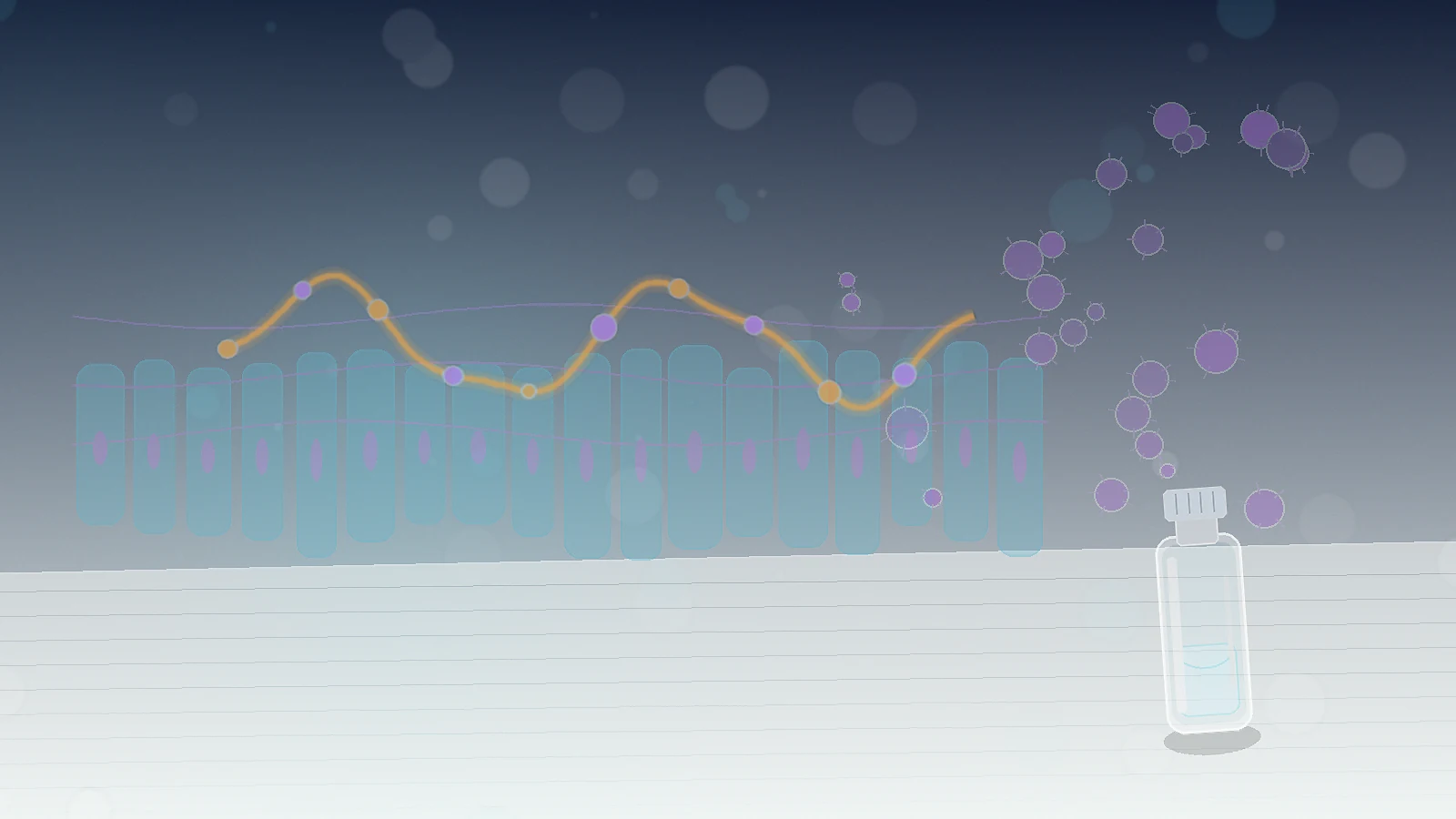
LL-37 forms an alpha-helical structure that inserts into negatively charged microbial membranes and physically destabilizes them, creating pores that kill the organism. This is mechanical destruction, not a chemical signal. It works on bacteria (including MRSA and other antibiotic-resistant strains), fungi, enveloped viruses, and some parasites.
Here's the clinically significant part: because this mechanism is physical membrane disruption rather than targeting a specific enzyme or receptor, it's extremely difficult for bacteria to evolve resistance to. An antibiotic that blocks a specific bacterial enzyme can be defeated by a single mutation in that enzyme, but evolving resistance to having your membrane physically torn apart requires fundamentally restructuring your cell wall, which is much harder. This matters enormously in the context of the antimicrobial resistance crisis.
The Immunomodulatory Mechanism (Receptor-Mediated, Context-Dependent)
Separately from killing microbes, LL-37 interacts with multiple cell-surface receptors on human cells: FPRL1/FPR2 (chemotaxis and anti-inflammatory signaling), P2X7 (inflammasome activation and cell death), TLR4 (modulation of inflammatory signaling), EGFR (epidermal growth factor receptor; wound healing, keratinocyte activation), and IGF-1R (insulin-like growth factor 1 receptor; cell proliferation).
The receptor profile is why LL-37's immune effects are context-dependent rather than uniformly pro- or anti-inflammatory. Different tissues express different receptors, so the same peptide produces different downstream effects depending on where it acts, what concentration it reaches, and what other signals are present. In a wound, EGFR activation promotes healing. In a tumor expressing EGFR, the same activation promotes cancer cell growth.
The Vitamin D-LL-37 Axis
Vitamin D induces LL-37 transcription through the vitamin D receptor (VDR) on immune and epithelial cells. This is a well-established molecular pathway and one of the primary mechanisms explaining vitamin D's documented effects on immune function.
During COVID-19, the vitamin D-LL-37 axis was studied extensively as a mechanistic explanation for why vitamin D deficiency correlated with worse outcomes. The logic: low vitamin D means less LL-37 production, which means weaker front-line antimicrobial defense in the airways.
The practical takeaway: optimizing vitamin D status (through supplementation or sun exposure) is the most evidence-supported way to increase your own endogenous LL-37 production without injecting a research chemical. This isn't speculative; the transcriptional pathway is published and well-characterized.
LL-37: Biofilm Eradication
Beyond direct bacterial killing, LL-37 has a critical property at sub-inhibitory concentrations (doses too low to pierce membranes outright): it actively prevents bacteria from forming biofilms (structured communities of bacteria embedded in a protective matrix) and breaks down existing ones, particularly Pseudomonas aeruginosa and Staphylococcus aureus biofilms.
In chronic wound care, breaking the biofilm is often more clinically important than the direct bacterial kill rate, because biofilms are what make chronic wound infections resistant to conventional antibiotics.
What Does the LL-37 Evidence Show?
Wound Healing and Chronic Wounds
The strongest and most clinically defensible application. LL-37 promotes wound healing through VEGF-mediated angiogenesis, EGFR-driven keratinocyte migration and proliferation, and reduction of excessive inflammation during the healing process. Recombinant LL-37 has been shown to preserve its wound-healing properties both in vitro and in vivo. This is the direction most legitimate clinical development is heading.
Antimicrobial Activity Including MRSA
Broad-spectrum activity against bacteria, fungi, enveloped viruses, and parasites via physical membrane disruption. Activity against antibiotic-resistant bacteria including MRSA is confirmed in vitro. The mechanism-based resistance advantage is clinically significant in the antimicrobial resistance era.
Sepsis
Complex and potentially dangerous. LL-37 initially helps fight infection, but excessive release during systemic infection can contribute to the vasodilation that characterizes septic shock.The therapeutic window (the range between helpful and harmful) is narrow, and this is a major reason systemic injectable use carries risk.
The Cancer Question: Bidirectional and Context-Dependent
This needs its own careful treatment because it cannot be simplified.
LL-37 is tumor-suppressive in gastric cancer, colorectal cancer, oral squamous cell carcinoma, and hematological malignancies. It's tumor-promoting in ovarian cancer, breast cancer, lung cancer, prostate cancer, pancreatic cancer, melanoma, and skin squamous cell carcinoma.
The direction depends on which membrane receptors the specific cancer cells express. LL-37 acts as a ligand for different receptors on different tumors, and those receptors trigger different downstream signaling cascades. In cancers that express EGFR and IGF-1R prominently, LL-37 activation promotes proliferation and metastasis. In cancers where LL-37 activates apoptotic pathways, it suppresses growth.
LL-37 is overexpressed in some cancers and underexpressed in others, and the expression pattern tracks with whether the tumor benefits from or is harmed by its presence.
The practical implication: there is no simple answer to "does LL-37 cause or fight cancer." Anyone with a cancer history, active malignancy, or strong family history of the tumor-promoting cancer types should be especially cautious about systemic use.
LL-37 as Pathogen: Psoriasis, Rosacea, and Autoimmunity
LL-37 is not a uniformly beneficial compound. It can cause disease.
Psoriasis: LL-37 released from damaged keratinocytes forms complexes with self-DNA that activate plasmacytoid dendritic cells (pDCs), triggering the autoimmune cascade that drives psoriasis. This is a direct pathogenic role, not a side effect.
Rosacea: Involves LL-37 overexpression and abnormal processing by kallikrein enzymes, producing pro-inflammatory fragments that drive the characteristic facial inflammation and flushing.
Systemic Lupus Erythematosus (SLE) and Rheumatoid Arthritis: LL-37 is a major autoantigen in these conditions; it binds to extracellular RNA and DNA from dying cells, forming highly immunogenic complexes that the immune system attacks, amplifying the autoimmune response.
Anyone with psoriasis, rosacea, lupus, or rheumatoid arthritis needs this information before considering LL-37 use. Systemic administration could directly worsen these conditions.
The Angiogenesis Paradox of LL-37
This is the key to understanding why the cancer relationship makes biological sense.
LL-37 promotes angiogenesis through VEGF upregulation. In a wound, new blood vessel formation builds tissue, delivers nutrients, and enables healing. This is clearly beneficial. In a tumor microenvironment, the exact same mechanism builds the blood supply that feeds the cancer, enabling growth and metastasis. Same biology, opposite clinical meaning, determined entirely by context.
This isn't a contradiction in the research; it's a single mechanism with dual consequences depending on where it operates. Understanding this makes the bidirectional cancer finding logically click rather than seeming paradoxical.
Stability and the Development Challenge of LL-37
LL-37 is rapidly degraded by proteases in biological environments, with a very short serum half-life. This is why your body makes it locally at infection sites (via precursor processing) rather than circulating it systemically.
For injectable community use, this means the compound may not survive long enough to reach therapeutic concentrations at target tissues. You inject it subcutaneously, and proteases start breaking it down immediately. Whether enough intact peptide reaches the intended site of action is genuinely uncertain.
This is why most legitimate development efforts focus on LL-37 analogs (SAAP-148, D-BMAP28, and others) engineered for improved stability and reduced toxicity. Topical formulations avoid the systemic degradation problem entirely, which is one reason topical applications have the strongest evidence.
Topical vs Systemic LL-37: Different Risk Conversations

Topical for wound healing sits within the supported evidence range; it avoids the cancer bidirectionality (local application to a wound is unlikely to feed a distant tumor), avoids the sepsis risk, avoids the stability problem for systemic delivery, and is the direction most clinical development is taking.
Systemic injectable use invokes the cancer bidirectionality (LL-37 reaches every tissue with blood supply), the stability challenge (protease degradation before reaching target), the autoimmune risk (psoriasis, lupus, RA flare potential), and the therapeutic window concern (too much LL-37 in the bloodstream shifts from protective to pro-inflammatory). These are not equivalent risk profiles.
Safety and Side Effects of LL-37
Cytotoxicity at high concentrations: LL-37 can be toxic to human cells at supraphysiological concentrations; it can damage host cell membranes the same way it damages microbial ones. The therapeutic window is real and not well-characterized for systemic dosing.
Cancer complexity: Cross-referenced from the standalone section. The bidirectional relationship means systemic use introduces genuine uncertainty about net effect.
Autoimmune risk: LL-37-DNA/RNA complex formation can trigger or worsen autoimmune conditions, especially psoriasis, lupus, and RA.
Injection site reactions: Reported in community use.
Community reports are limited given the niche use base. Most community experience is with topical application or short systemic courses.
What Happens When You Stop LL-37?
No dependency or withdrawal. Endogenous LL-37 production continues at its baseline level (influenced by your vitamin D status, immune activation, and tissue health). Antimicrobial and wound healing effects are maintained only during active use or active endogenous production.
Legal Status of LL-37
LL-37 itself is not approved as a drug anywhere. Several LL-37 analogs are in clinical development for wound healing, antimicrobial, and anti-infective applications. Research chemical for injectable use. Topical applications exist in the development pipeline.
Unanswered Questions
- Which analog development program reaches approval first? SAAP-148 and others are in various stages of development for wound and antimicrobial applications.
- Can the cancer bidirectionality be resolved by targeted delivery? Topical use avoids the issue; systemic use doesn't. Whether tumor-directed delivery could exploit the anti-cancer effects without the pro-cancer risks is unknown.
- What does the vitamin D-LL-37 pathway mean practically for supplementation strategies? The molecular pathway is clear, but optimal vitamin D levels specifically for LL-37 induction haven't been defined in dose-response terms.
- Does the MRSA activity translate to clinical treatment outcomes? In vitro and animal data is strong, but clinical trial data in human MRSA infections is limited.
Final Take
LL-37 is one of the most scientifically interesting compounds on this site, and also one of the hardest to give a simple recommendation about. The antimicrobial and wound healing evidence is strong, clinically defensible, and heading toward legitimate drug development through analog programs. The vitamin D connection is the most accessible and evidence-supported practical takeaway for readers who want to support their own LL-37 levels without injecting research chemicals.
But the cancer bidirectionality is real, the autoimmune pathogenic role is documented, the stability problem limits systemic delivery, and the therapeutic window between helpful and harmful is narrow. Topical use for wound healing is well-supported. Systemic injectable use is a fundamentally more uncertain proposition where the compound's own biology argues for caution.
FAQ
What is LL-37?
The only human cathelicidin; a 37-amino-acid antimicrobial and immunomodulatory peptide.
Does it kill antibiotic-resistant bacteria?
Yes. Physical membrane disruption works against MRSA and other resistant strains because bacteria can't easily evolve resistance to having their membranes torn apart.
Does it cause cancer?
Both. It suppresses some cancer types and promotes others, depending on which receptors the specific tumor expresses. Not a simple answer.
Is it safe for people with psoriasis?
No. LL-37 directly drives the psoriasis autoimmune cascade. Systemic use could worsen the condition. Same concern for lupus and RA.
Can I boost LL-37 naturally?
Yes. Vitamin D induces LL-37 production. Optimizing vitamin D levels is the most evidence-supported approach.
Is topical or injectable better?
Topical is better supported by evidence, avoids the cancer and autoimmune concerns, and sidesteps the stability problem. Most clinical development targets topical applications.
Is it FDA-approved?
No. LL-37 analogs are in clinical development but the native peptide is not approved anywhere.
What about COVID-19?
The vitamin D-LL-37 axis was studied as a mechanistic explanation for vitamin D deficiency's link to worse COVID outcomes. Published research supports the pathway. LL-37 itself was not tested as a COVID treatment.
About the author

Ahmed Khedri
Peptide research writer focused on evidence quality, clinical trial interpretation, and safety context.
Ahmed writes PeptideAWO reviews with an emphasis on separating clinical evidence from marketing claims. His work focuses on trial data, regulatory status, dosing context, and the practical safety questions readers should understand before researching a compound.
Peptides that pair well with LL-37
Tirzepatide Review 2026: The Dual Agonist That Beat Semaglutide in a Head-to-Head Trial
A dual GIP/GLP-1 agonist review covering SURMOUNT-5, the GIP question, MASH data, compounding rules, side effects, and access.
Read reviewSemaglutide (Ozempic/Wegovy): The 2026 Guide to Weight Loss, Cardiovascular Data & In-Depth Analysis
An FDA-approved GLP-1 review covering STEP weight-loss data, SELECT cardiovascular outcomes, rebound after stopping, side effects, access, and compounding concerns.
Read reviewRetatrutide Review 2026
Extremely promising weight loss results in clinical trials. Up to ~24% body weight loss in trials, but not yet FDA approved.
Read reviewGet Personalized Supplier Recommendations
Enter your email and we'll send you the best suppliers to buy LL-37 from.
We only recommend suppliers we've vetted. No spam.