Melanotan II is unapproved and illegal or restricted in multiple jurisdictions. It can alter moles and complicate melanoma surveillance. Nothing on this page is medical advice.
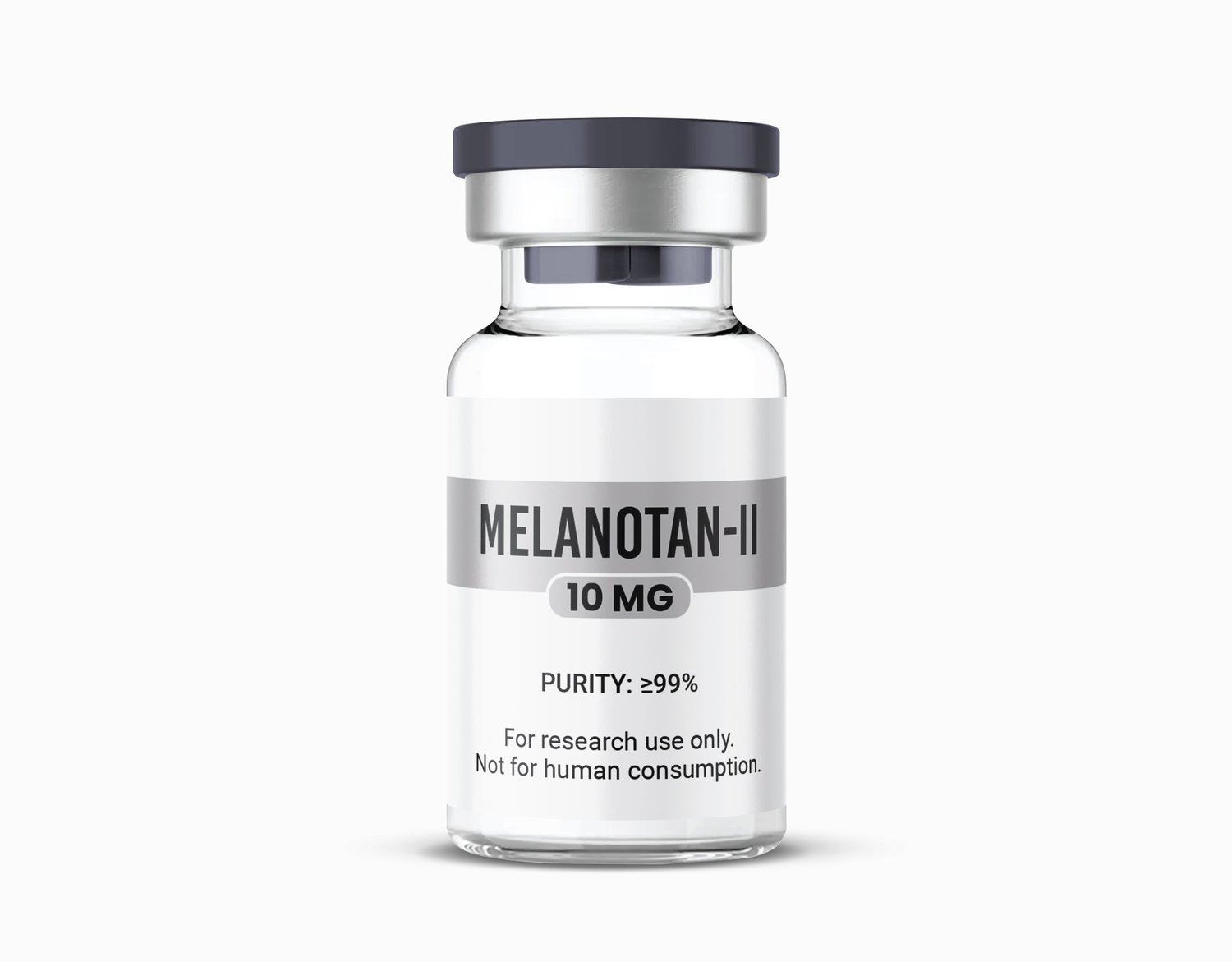
Overall Rating: 3.8 out of 10
Mechanistically active but high-risk for cosmetic use because it is unapproved, non-selective, changes mole appearance, and lacks long-term safety data.
Every link in this article was verified as a real, accessible publication at the time of writing. We use PubMed, PMC, NEJM, JAMA, FDA.gov, and peer-reviewed journals only. No Wikipedia. No vendor blogs.
Melanotan II was developed at the University of Arizona in the 1980s to prevent skin cancer. The idea was to stimulate melanin production so people could tan without as much UV exposure, reducing their UV-related cancer risk, basically a protective tan without the damage.
That was the intention. Here's what actually happened: the compound was never approved by any regulatory body. Development was abandoned. And Melanotan II became one of the most widely used illegal peptides in the world, primarily among people seeking cosmetic tanning, driven recently by TikTok and social media under the nickname "the Barbie drug."
The irony is specific. Melanotan II stimulates the same cellular machinery that drives melanoma. A compound designed to prevent skin cancer may, in theory, promote it. And nobody knows, because the long-term safety studies were never done.
Key Takeaways
- Synthetic analog of alpha-melanocyte-stimulating hormone (α-MSH). Non-selective agonist of MC1R, MC3R, MC4R, and MC5R
- Two inseparable primary effects: skin darkening (via MC1R) and sexual arousal/erectile function (via MC3R/MC4R). You cannot get one without the other
- Darkens existing moles, may produce new moles, and directly complicates melanoma surveillance. A dermatologist cannot distinguish drug-induced darkening from malignant change without biopsy
- Nausea is severe, not mild. Consistently reported as a dose-limiting side effect in Phase 1 clinical trials and at standard community doses.
- The spontaneous erection side effect in University of Arizona trials led directly to PT-141 (bremelanotide), which IS FDA-approved. Melanotan II, the parent compound, was abandoned
- Never approved anywhere as a drug. Illegal in the UK, Australia, and other jurisdictions
- Half-life \~33 minutes, but melanogenesis takes days to weeks. This disconnect causes catastrophic overdosing
- Produces disproportionate pigmentation: freckles, scars, lips, areolae, and genitals darken faster and more intensely than surrounding skin
- Ocular melanocytes are also stimulated; retinal and uveal changes have been reported
- The most concerning safety profile on this list
Melanotan II, In Simple Terms
- What α-MSH is: A hormone your body makes that tells melanocytes (the pigment-producing cells in your skin) to make melanin (the pigment that darkens your skin). It's the natural tanning signal.
- What Melanotan II does: It mimics α-MSH but hits four different receptor types at once. MC1R makes your skin darker. MC3R and MC4R trigger sexual arousal and suppress appetite. MC5R affects oil gland function. You can't target just one. At any dose that produces tanning, you'll also experience sexual effects, appetite changes, and nausea.
- The mole concern in plain terms: Melanocytes are both the cells that tan your skin and the cells that become melanoma when they turn cancerous. Melanotan II stimulates all of them indiscriminately. Your normal moles darken. New ones may appear. And your dermatologist can't tell the difference between a drug-darkened mole and early skin cancer without cutting it out and looking under a microscope.
- The honest bottom line: This compound has the most concerning risk profile on this site. Not because we know it causes cancer (we don't). But because it stimulates the cancer-relevant cell type, changes the appearance of the lesions doctors use to screen for cancer, and has zero long-term safety data in humans. And it's being used primarily by young people for cosmetic reasons.
Table of Contents
- What is Melanotan II?
- The melanocortin receptor profile
- Melanotan II vs Melanotan I
- How PT-141 happened
- How it works
- The tanning mechanism and the UV claim
- The pharmacokinetic disconnect and overdosing
- The "dirty tan" problem
- The mole problem
- Ocular risk
- The "Barbie drug" phenomenon
- How do you take it?
- Dosing
- Side effects
- What happens when you stop?
- Quality and counterfeiting
- Legal status
- Unanswered questions
- Final take
- FAQ
What is Melanotan II?

Melanotan II (MT-II) is a synthetic cyclic heptapeptide (seven-amino-acid) analog of α-MSH, developed at the University of Arizona in the 1980s by researchers including Victor Hruby and Mac Hadley. It was designed to be a more potent, metabolically stable version of natural α-MSH with a longer half-life (\~33 minutes versus seconds for endogenous α-MSH).
The original goal was genuinely good: create a protective tan that would reduce skin cancer risk by allowing melanin production without extensive UV exposure. Clinical trials were conducted. Skin darkening was confirmed. And then the trial subjects started getting spontaneous erections. Yes, you read that right, spontaneous erections; we will explore this more in-depth later on.
Development as a tanning agent was never completed. The compound was never submitted for FDA approval. Everything sold today is grey or black market product manufactured without regulatory oversight.
The Melanocortin Receptor Profile
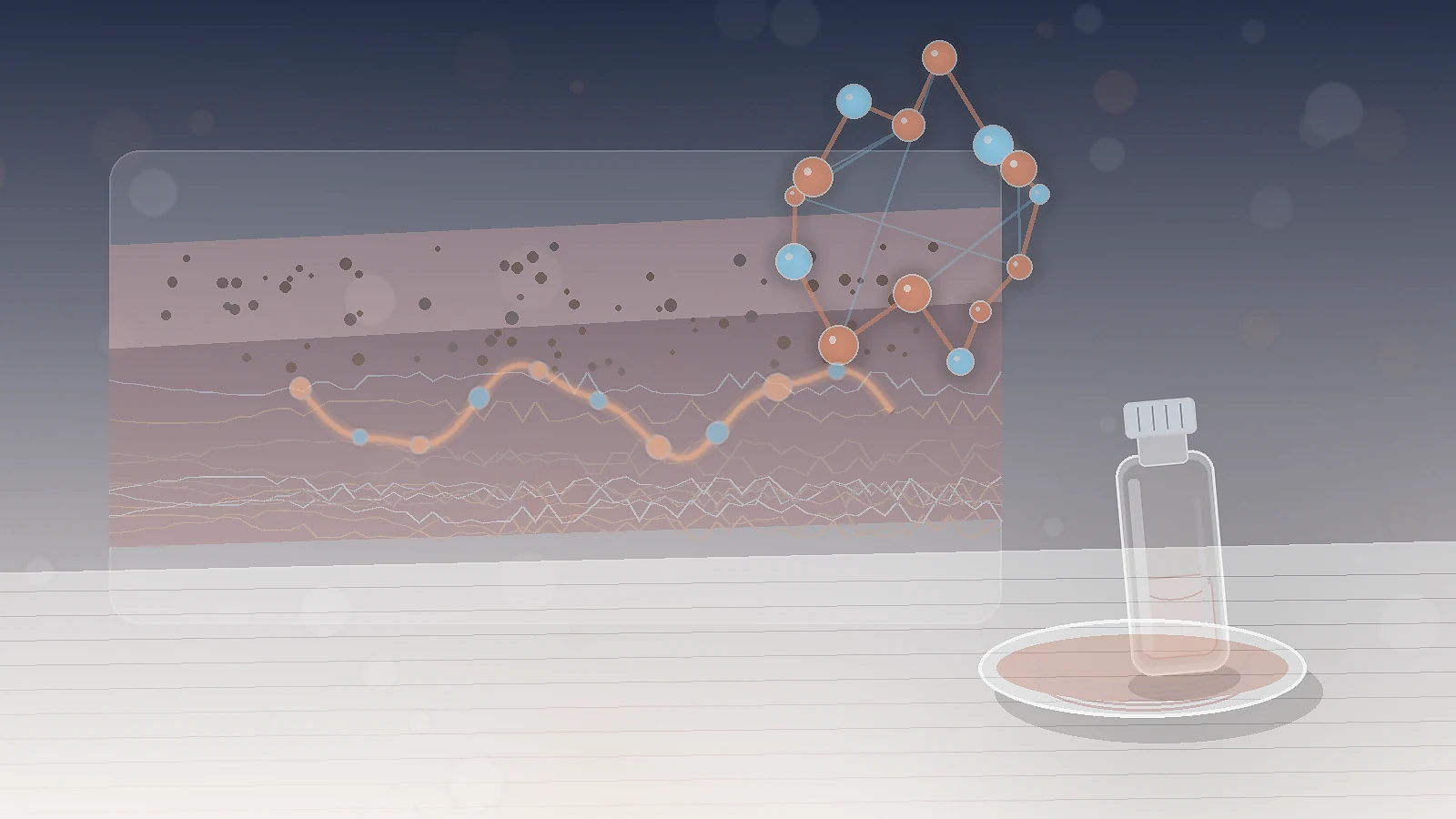
This section explains why Melanotan II does everything it does; and why you can't separate the effects.
Five melanocortin receptors exist:
MC1R (skin melanocytes): Drives melanogenesis (melanin production). This is the tanning receptor.
MC2R (adrenal cortex): Steroidogenesis (cortisol production). Activated by ACTH. Melanotan II has minimal activity here.
MC3R (brain and periphery): Energy homeostasis, sexual maturation, appetite. Melanotan II activates it.
MC4R (brain and periphery): Appetite suppression, sexual arousal, cardiovascular tone. Melanotan II activates it strongly. This is where the erections, appetite loss, nausea, yawning, and blood pressure changes come from.
MC5R (throughout the body): Exocrine gland function (sebaceous/oil glands). Melanotan II activates it.
The problem is selectivity. Melanotan II hits MC1R, MC3R, MC4R, and MC5R with varying affinity but no practical separation. At any dose that produces meaningful tanning, you're also flooding your brain's appetite, sexual, and cardiovascular systems.
Melanotan II vs Melanotan I
Different compounds. Critically different selectivity.
Melanotan I (afamelanotide): Linear α-MSH analog. Much more MC1R-selective. Less sexual effect, less nausea. Actually FDA-approved (as Scenesse, 2019) for preventing phototoxicity (light-induced pain) in adults with erythropoietic protoporphyria (a rare genetic light sensitivity condition). Regulated, characterized, approved.
Melanotan II: Cyclic analog. Non-selective across four receptors. Never approved. Illegal in multiple jurisdictions. The compound the community uses.
The names are confusingly similar. They are not interchangeable. Melanotan I has a legitimate medical use. Melanotan II does not.
How the PT-141 Story Happened
During University of Arizona clinical trials, male subjects given Melanotan II developed clinically significant erections. This was unexpected. It was also extremely commercially interesting.
Researchers developed a modified version targeting the sexual function effect specifically: PT-141 (bremelanotide). PT-141 is now FDA-approved (as Vyleesi) for hypoactive sexual desire disorder in premenopausal women. It works primarily through MC4R with less MC1R activity; producing sexual effects without significant tanning.
The parent compound (Melanotan II) was abandoned. The child compound (PT-141) was approved. The irony: the unintended side effect became the approved product. The intended use was never approved. See the PT-141 article for full treatment.
How Melanotan II Works
Melanogenesis via MC1R: Melanotan II binds MC1R on melanocytes, triggering an intracellular signaling cascade that upregulates tyrosinase (the enzyme that produces melanin). The result is actual eumelanin (dark brown-black pigment) deposited in the skin. This is real pigment, not a surface stain.
Sexual arousal via MC3R/MC4R: These are CNS-mediated effects (they happen in the brain, not in the genitals directly). MC4R activation in the hypothalamus triggers arousal pathways. In men, this produces spontaneous erections. In women, genital arousal. These effects are expected at standard doses, not rare.
Appetite suppression via MC4R: MC4R activation in the hypothalamus suppresses hunger signaling. This is a real effect, not a rare side effect.
Cardiovascular effects via MC4R: Blood pressure changes and increased heart rate are documented. MC4R activation affects cardiovascular tone.
Nausea via MC3R/MC4R: Mediated by melanocortin receptor activation in the area postrema and chemoreceptor trigger zone; brain regions that lack a complete blood-brain barrier. This is why nausea is often severe and incapacitating, not the "mild GI discomfort" typical of other peptides.
The Tanning Mechanism and the UV Claim
"Tan without sun" is partially true and significantly overstated.
Melanotan II stimulates melanogenesis independently of UV exposure. Visible skin darkening is possible without any sun. But meaningful, even tanning without UV requires higher doses and varies dramatically by skin type. Fair-skinned individuals with MC1R variant alleles respond less predictably.
Many users combine Melanotan II with UV exposure (tanning beds or sun) to accelerate and deepen the tan. This compounds the melanoma risk: you're stimulating melanocyte proliferation with the peptide while simultaneously damaging DNA with UV radiation. The combination eliminates whatever theoretical UV-protective benefit the original researchers envisioned.
The Pharmacokinetic Disconnect and Overdosing
This is the trap. MT-II has a plasma half-life of roughly 33 minutes. But melanogenesis takes days to weeks to become visible because newly produced melanin needs to migrate from the basal layer of the skin to the surface.
So users inject it, look in the mirror the next morning, see no change, and double the dose. Then triple it. They're flooding their MC3R and MC4R receptors (the ones that cause nausea, erections, and cardiovascular effects) while waiting for a visible result that won't appear for days regardless of dose. This disconnect is the single most common cause of the severe nausea and priapism (prolonged painful erection) reports in the community.
The "Dirty Tan" Problem of Melanotan II
Melanotan II does not produce an even, airbrushed tan. It aggressively darkens areas where melanocytes are already concentrated. In practice:
Freckles turn dark before surrounding skin catches up. Scars darken. Lips, areolae, and genitals hyperpigment heavily. The linea alba (the line down the center of the abdomen) darkens disproportionately. During the first few weeks, the result looks blotchy and uneven.
This is a primary reason people abandon the compound. The expectation was a cosmetic glow. The reality is disproportionate pigmentation that draws attention to every area of concentrated melanocyte activity on the body.
The Melanotan II Mole Problem
This cannot be a side effect bullet point. It needs its own space.
Melanotan II stimulates melanocytes indiscriminately. That includes melanocytes in existing nevi (moles). Documented effects: darkening of existing moles, possible formation of new moles, changes in mole shape or size.
Here's why this matters beyond cosmetics: melanoma screening relies on monitoring moles for suspicious changes; the ABCDEs (asymmetry, border irregularity, color changes, diameter, evolution). Melanotan II produces exactly these kinds of changes in benign moles. A dermatologist monitoring a patient cannot distinguish drug-induced mole darkening from early melanoma without biopsy.
The theoretical cancer concern: MC1R activation stimulates melanocyte proliferation. Melanocytes are the cell type that gives rise to melanoma. Case reports of melanoma in Melanotan II users exist in the dermatological literature. Causation hasn't been established; these individuals may have developed melanoma regardless. But the biological plausibility is direct. Zero long-term safety studies have ever been conducted.
Melanotan II: the Ocular Risk

The eye contains melanocytes in the uveal tract (the middle layer of the eye wall). There are documented dermatological case reports of Melanotan II use associated with changing ocular nevi (moles inside the eye) and retinal changes. This is arguably more concerning than skin moles because monitoring the back of the eye requires specialized ophthalmic equipment. Most users wouldn't even know to look.
The "Barbie Drug" Phenomenon
TikTok and social media drove a significant resurgence in Melanotan II use, particularly among young women seeking tanning without sun exposure. UK and Australian health authorities have issued specific warnings about the compound. The TGA (Australia's drug regulator) has banned it. The MHRA (UK) has classified it as an unlicensed medicine.
The body dysmorphia dimension is real. The pursuit of extreme tanning combined with the appetite suppression (weight loss) and sexual arousal effects creates patterns of compulsive use that health authorities have documented.
How Do You Take Melanotan II?
Subcutaneous injection is the primary route and the only one with any clinical data behind it.
Nasal spray versions are widely marketed but have poor and inconsistent bioavailability. Absorption varies wildly between uses. The nasal spray market is particularly prone to misdosing; users have no reliable way to know how much they're actually getting.
Oral doesn't work. Peptide degradation in the GI tract.
Melanotan II Dosing
University of Arizona trials: Used doses in the 0.01 to 0.025 mg/kg range. Skin darkening was demonstrated. So were all the side effects.
Community loading protocols: Typically 0.25 to 0.5 mg daily for 1 to 2 weeks, then maintenance at 0.5 to 1 mg two to three times weekly. A saturation dose exists: beyond a threshold, more compound does not produce proportionally more tanning. It does produce proportionally more nausea and MC4R side effects.
No licensed clinician should be prescribing this. It is not approved anywhere as a drug.
Side Effects of Melanotan II
Nausea: The most common effect. Often severe and incapacitating, especially during loading. Not comparable to the "mild GI discomfort" of other peptides. Can last hours post-injection.
Facial flushing and warmth: Nearly universal. Lasts 2 to 4 hours post-injection.
Spontaneous erections (men) and genital arousal (women): Expected at standard doses. Not rare. Can progress to priapism at high doses.
Appetite suppression: Expected MC4R effect. Can be significant.
Yawning: Sounds trivial. It's a known MC4R-mediated CNS effect that indicates central nervous system activity. Useful as a dose indicator.
Cardiovascular: Blood pressure changes and increased heart rate.
Mole darkening and disproportionate pigmentation: See standalone sections above.
What Happens When You Stop Melanotan II?
Tanning fades over 4 to 8 weeks as melanin-containing skin cells are shed naturally. Sexual effects resolve quickly. Appetite returns to baseline. Mole changes may or may not be fully reversible. No dependency signal exists, but behavioral patterns around compulsive tanning use are documented.
Quality, Counterfeiting, and Sourcing of Melanotan II
This market is among the most problematic on the entire list. The compound is illegal in multiple jurisdictions. It's manufactured with zero regulatory oversight. It's frequently misdosed, contaminated, or mislabeled. Counterfeit products are widespread because demand is high and enforcement is inconsistent.
The contamination risks are specific: porcine-derived or poorly synthesized peptides, bacterial endotoxins, heavy metals, and incorrect concentrations. Third-party testing is essential but harder to verify in a market where the product itself is illegal.
Legal Status of Melanotan II
UK: Banned as an unlicensed medicine. MHRA enforcement.
Australia: Banned by the TGA. Import and supply prohibited.
US: Not approved. Not explicitly scheduled as a controlled substance in most states, but FDA enforcement actions exist.
WADA: Prohibited in competitive sport.
Most other jurisdictions: Grey market to illegal depending on local pharmaceutical law.
Unanswered Questions
- Does Melanotan II use increase melanoma risk? The most important unanswered question. Biological plausibility is strong. Long-term epidemiological data doesn't exist.
- What does the long-term mole surveillance data look like in users? Nobody has done a prospective study tracking mole changes in Melanotan II users over years.
- What about ocular melanoma? Uveal melanocyte stimulation is documented. Long-term retinal monitoring data doesn't exist.
- Will any legitimate developer pursue the tanning application? Unlikely given Melanotan I (afamelanotide) already exists as an approved, more selective alternative.
Final Take
Melanotan II has the most concerning safety profile on this list. Not because it's been proven dangerous (it hasn't been studied enough for that). But because it stimulates the cell type that becomes melanoma, changes the clinical signs that doctors use to detect melanoma early, has zero long-term safety data in humans, is manufactured and sold without any quality control, and is being used primarily by young people for cosmetic reasons driven by social media.
The compound was designed to prevent skin cancer. It may promote it. Nobody knows, because the studies were never done. The only compound that came out of this research with regulatory approval targets a completely different application (PT-141 for sexual dysfunction) and was specifically modified to reduce the melanocyte stimulation that makes Melanotan II concerning.
This is not a compound to approach casually.
FAQ
What is Melanotan II?
A synthetic analog of α-MSH that stimulates melanin production (tanning) alongside sexual arousal and appetite suppression. Never approved anywhere.
Can I tan without UV?
Partially. Melanogenesis occurs without UV, but visible tanning requires days to weeks and is uneven. Many users combine it with UV, which compounds cancer risk.
Is it the same as Melanotan I?
No. Melanotan I (afamelanotide) is more MC1R-selective, has FDA approval for a specific condition, and has a better safety profile. Different compound.
Does it cause cancer?
Unknown. It stimulates the cell type (melanocytes) that becomes melanoma. Case reports exist. Long-term data doesn't.
Why does it cause nausea?
MC3R and MC4R activation in brain regions that control nausea. This is a direct pharmacological effect, not a contaminant issue.
Is it legal?
Illegal in the UK and Australia. Not approved in any country. Grey to black market everywhere.
What about the erections?
Expected MC4R effect. This side effect led directly to the development of PT-141 (bremelanotide), which is FDA-approved for sexual dysfunction.
Will it darken my moles?
Yes. This is documented and expected. It also complicates melanoma screening.
Is the nasal spray safe?
Bioavailability is poor and inconsistent. The risk of under or overdosing is high. Injectable is the only route with any research basis.
About the author

Ahmed Khedri
Peptide research writer focused on evidence quality, clinical trial interpretation, and safety context.
Ahmed writes PeptideAWO reviews with an emphasis on separating clinical evidence from marketing claims. His work focuses on trial data, regulatory status, dosing context, and the practical safety questions readers should understand before researching a compound.
Peptides that pair well with Melanotan II
Tirzepatide Review 2026: The Dual Agonist That Beat Semaglutide in a Head-to-Head Trial
A dual GIP/GLP-1 agonist review covering SURMOUNT-5, the GIP question, MASH data, compounding rules, side effects, and access.
Read reviewSemaglutide (Ozempic/Wegovy): The 2026 Guide to Weight Loss, Cardiovascular Data & In-Depth Analysis
An FDA-approved GLP-1 review covering STEP weight-loss data, SELECT cardiovascular outcomes, rebound after stopping, side effects, access, and compounding concerns.
Read reviewRetatrutide Review 2026
Extremely promising weight loss results in clinical trials. Up to ~24% body weight loss in trials, but not yet FDA approved.
Read reviewGet Personalized Supplier Recommendations
Enter your email and we'll send you the best suppliers to buy Melanotan II from.
We only recommend suppliers we've vetted. No spam.