Pinealon is not approved in Western markets, and most evidence comes from a narrow research ecosystem. Nothing on this page is medical advice.
Overall Rating: 5.7 out of 10
An interesting Russian bioregulator peptide with animal and mechanistic data, but limited by narrow evidence sources and major Western replication gaps.
Every link in this article was verified as a real, accessible publication at the time of writing. We use PubMed, PMC, NEJM, JAMA, FDA.gov, and peer-reviewed journals only. No Wikipedia. No vendor blogs.
Pinealon comes from the same research program as Epitalon. Same lab (the St. Petersburg Institute of Bioregulation and Gerontology), same lead researcher (Vladimir Khavinson), same theoretical framework (short peptides that penetrate cell nuclei and modulate gene expression), same concentration of evidence in Russian literature with minimal Western replication.
But it's a different compound. Different sequence, different target, different primary application. Epitalon is a tetrapeptide (four amino acids) targeting telomerase activation and the broader aging clock. Pinealon is a tripeptide (three amino acids: Glu-Asp-Arg) targeting neuroprotection and cognitive function via gene expression modulation in nervous tissue and the pineal gland. The community conflates them constantly, which creates real confusion about what each compound is supposed to do.
The science is interesting but the evidence ecosystem is narrow. This review treats both honestly.
Key Takeaways
- Pinealon (EDR) is a tripeptide (Glu-Asp-Arg) from Khavinson's peptide bioregulator program, targeting nervous tissue and the pineal gland
- Primary applications: neuroprotection, age-related cognitive decline, retinal degeneration, circadian rhythm regulation, antioxidant enzyme upregulation
- Proposed mechanism: nuclear penetration and direct gene expression modulation in target cells, a strong mechanistic claim with limited independent validation
- Epitalon distinction: different compound, different mechanism (telomerase vs neuroprotection), different applications; frequently confused in community discussion
- Cortexin translation gap: much foundational clinical data was on Cortexin (whole brain extract), not synthetic Pinealon; assuming equivalence is a significant leap
- Russian literature dominance: nearly all published data comes from Khavinson's group or associated institutions; Western independent replication is minimal
- Cycle-based dosing (short intensive courses, not daily supplementation)
- Not approved anywhere in Western markets; research chemical
Pinealon, In Simple Terms
- What the pineal gland does: A small gland in the center of your brain that produces melatonin and helps regulate your circadian rhythm (sleep-wake cycle). Melatonin production from the pineal gland declines as you age.
- What a peptide bioregulator is: In Khavinson's framework, these are short peptides designed to enter cells, reach the nucleus, and directly influence which genes get turned on or off in specific tissues. Each bioregulator targets a different organ. Pinealon targets the brain and pineal gland.
- What Pinealon is proposed to do: Protect neurons from dying (neuroprotection), upregulate antioxidant defenses in brain tissue, support circadian rhythm through pineal function, and improve cognitive function in aging.
- How it differs from Epitalon: Epitalon (AEDG, four amino acids) targets telomerase activation and cellular aging broadly. Pinealon (EDR, three amino acids) targets neuroprotection and gene expression in nervous tissue specifically. Same lab, same framework, different peptides for different purposes.
- Honest evidence tier: Interesting mechanism supported primarily by one Russian research group. Animal data is the strongest evidence. Human data is thin, mostly Russian, and some of it was actually done on Cortexin (the whole-brain extract Pinealon was isolated from), not on synthetic Pinealon itself.
Table of Contents
- What is Pinealon?
- The Khavinson bioregulator program
- Pinealon vs Epitalon
- The Cortexin translation gap
- How it works
- The gene expression mechanism: honest assessment
- The EDR sequence: why it matters
- What does the evidence show?
- Pinealon and melatonin
- Dosing and cycles
- Safety and side effects
- What happens when you stop?
- Legal status
- Unanswered questions
- Final take
- FAQ
What is Pinealon?
Pinealon is a synthetic tripeptide with the sequence Glu-Asp-Arg (EDR), developed at the St. Petersburg Institute of Bioregulation and Gerontology by Vladimir Khavinson's group. It has a molecular weight of approximately 418 Da, making it one of the smallest compounds on this site.
The name "Pinealon" is the brand/research name. In scientific literature, you'll see it referred to as "EDR peptide" or by its amino acid sequence Glu-Asp-Arg. Both refer to the same compound, and knowing this connection is necessary for navigating the published research.
Pinealon was isolated from Cortexin, a polypeptide neuroprotective drug derived from calf and pig brain tissue that has been used clinically in Russia for decades. The idea: Cortexin works, but it's a heterogeneous extract containing many peptides; Pinealon represents the purified, synthesized "active principle" responsible for the neuroprotective component.
The Khavinson Bioregulator Program
Khavinson developed a family of tissue-specific short peptides, each designed to target a specific organ or tissue type through what he calls "peptide bioregulationâ€. The central theoretical claim: these short peptides (two to four amino acids) can penetrate cell membranes, enter the nucleus, and interact directly with DNA and histone proteins to modulate gene expression in their target tissues.
This is a strong mechanistic claim. Most peptides work through cell-surface receptors; the proposal that a systemically administered tripeptide can penetrate nuclear membranes and directly modulate transcription is unusual and contested. Khavinson's group has published extensively on this framework, including fluorescence-labeled peptide studies showing nuclear penetration in HeLa cells. Western independent replication of these findings is limited, and the broader scientific community has not broadly adopted the bioregulator framework.
The program produced Epitalon (pineal/telomerase), Pinealon (neural/pineal neuroprotection), Vilon (thymus/immune), Livagen (liver), and others. Each targets different tissue with different gene expression profiles.
Pinealon vs Epitalon: Same Lab, Different Compounds
The community conflates these constantly. Here's the actual distinction:
Epitalon (AEDG): Tetrapeptide (four amino acids). Targets telomerase activation via the pineal gland. Primary research focus is cellular aging, telomere length maintenance, and retinal degeneration through melatonin-related pathways.
Pinealon (EDR): Tripeptide (three amino acids). Targets neuroprotection via gene expression modulation in neural tissue. Primary research focus is cognitive function, neuronal survival, antioxidant enzyme activity, and circadian regulation.
The stacking question: Both target the pineal gland, both are proposed to penetrate cell nuclei and bind DNA/histones. Some researchers theorize that taking them simultaneously causes competition for nuclear transport mechanisms, potentially reducing the effect of both. Khavinson's own protocols traditionally run them sequentially, not simultaneously. There is no published data directly comparing simultaneous versus sequential administration, so the stacking question remains unanswered.
The Cortexin Translation Gap
This is a critical distinction that community users make blindly.
Much of the foundational Russian clinical data on neuroprotection wasn't done on synthetic Pinealon; it was done on Cortexin, the raw heterogeneous polypeptide extract from calf and pig brains. Cortexin contains many peptide fractions, not just EDR. A 2014 study on caspase-3 activity and cytokine regulation in old rats used both Cortexin and Pinealon, but the clinical human data from decades of Russian use is primarily Cortexin data, not Pinealon data.
Assuming that a single synthesized tripeptide perfectly replicates the broad effects of a whole-brain extract is a massive leap. It may be the active principle, it may be one of several active principles, or it may work differently when isolated from the other peptide fractions in Cortexin. Nobody has definitively shown which is the case, and this uncertainty should inform how you interpret every efficacy claim about Pinealon.
How Pinealon Works
Nuclear Penetration and Gene Expression Modulation
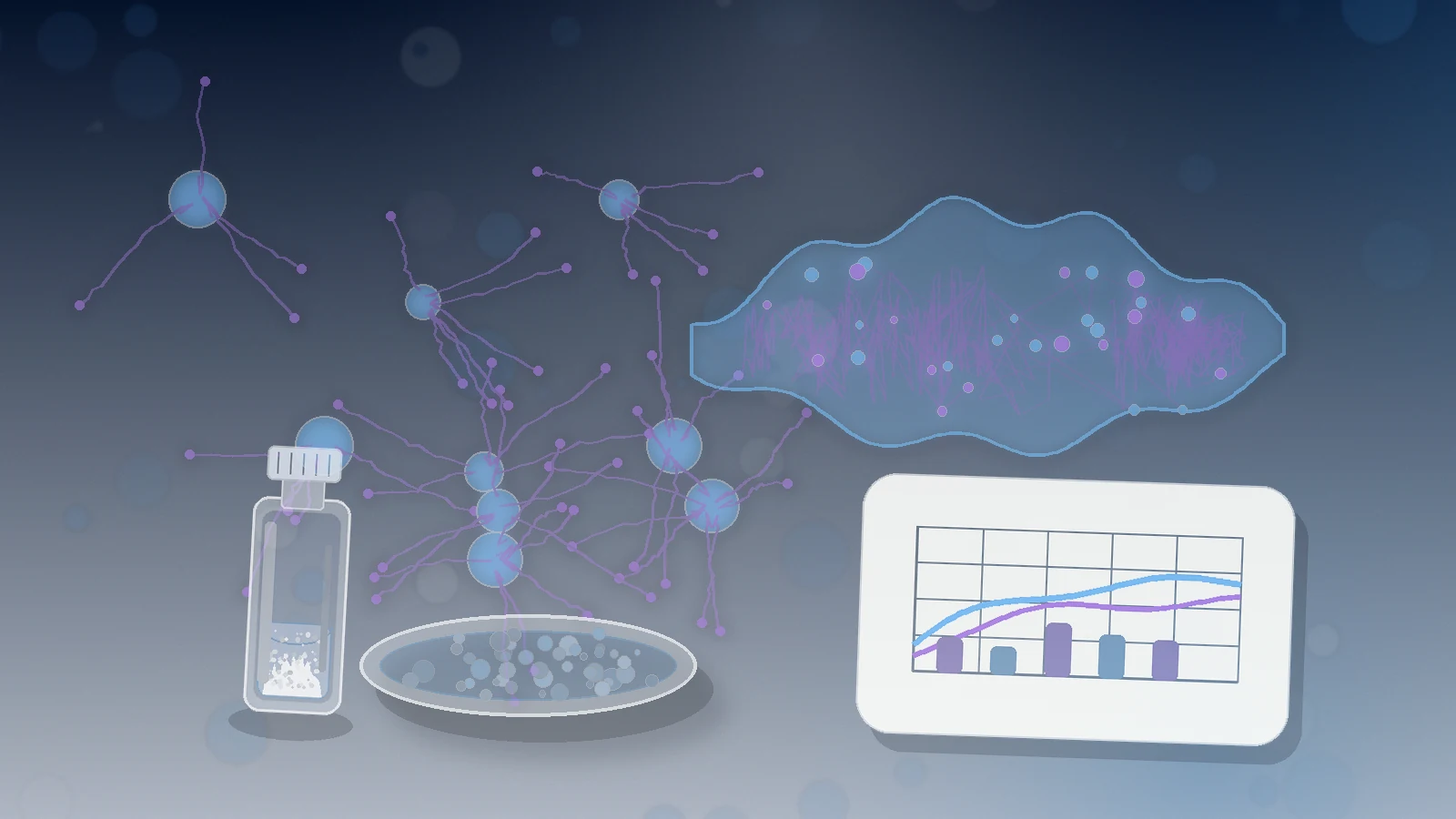
Khavinson's central proposal: Pinealon, due to its small size (\~418 Da), crosses cell membranes and nuclear membranes, reaching the nucleus where it interacts directly with DNA sequences and histone proteins. Fluorescence-labeled EDR peptides were observed penetrating nuclei in HeLa cell studies. Molecular docking studies showed that EDR has binding sites in the promoter regions of genes involved in Alzheimer's pathogenesis, including CASP3 (apoptosis), NES and GAP43 (neuronal growth), APOE (Alzheimer's risk), SOD2 (antioxidant defense), and PPARA/PPARG (inflammation regulators).
Antioxidant Enzyme Specificity
Pinealon increases cell viability by suppressing free radical levels and activating proliferative processes in neuronal cultures. The antioxidant effect is specific: upregulation of SOD (superoxide dismutase) and catalase activity in neural tissue, not vague "antioxidant" activity. These are measurable enzyme markers documented in animal models.
Circadian and Melatonin Pathway
The pineal gland produces melatonin. Pinealon targets pineal tissue. The connection is mechanistically coherent: supporting pineal function could support melatonin production, which declines with age and contributes to circadian disruption, sleep problems, and downstream cognitive effects.
Dopaminergic Modulation
Some Khavinson research suggests Pinealon modulates dopamine system function, with implications for mood, motivation, and reward processing beyond pure neuroprotection. This is an underreported angle with limited published data.
The Gene Expression Mechanism: Honest Assessment
The claim that a systemically administered tripeptide penetrates cell nuclei and directly modulates gene transcription in specific target tissues is genuinely interesting. It's also a very strong claim that requires very strong evidence.
What Khavinson's group has published: fluorescence studies showing nuclear penetration, molecular docking predicting DNA binding sites, gene expression changes in AD-relevant genes in animal models, dendritic spine preservation in Alzheimer's mouse models. What the Western peer-reviewed community has contributed: limited engagement. The work is published in MDPI journals, Russian gerontology journals, and some international peer-reviewed outlets, but independent replication from non-Khavinson labs is minimal.
This doesn't mean the mechanism is wrong; it means it's unvalidated outside one research ecosystem. Every downstream efficacy claim about Pinealon ultimately rests on this mechanism, so the confidence level for the mechanism sets the ceiling for confidence in everything else.
The EDR Sequence: Why It Matters
The amino acid composition isn't random. Glutamate and aspartate are the two primary excitatory neurotransmitters in the human brain. Arginine is a precursor to nitric oxide, a key signaling molecule in the nervous system. A peptide built from excitatory signaling molecules has a direct biochemical rationale for effects on neuronal function, focus, and stress response. This ties into the serotonin expression stimulation and dopaminergic data Khavinson published.
What Does the Pinealon Evidence Show?
Neuroprotection in Aging and Disease Models
EDR peptide prevents dendritic spine loss (the connections between neurons) in both in vitro and in vivo Alzheimer's disease models (5xFAD mice). It reduces neuronal apoptosis (programmed cell death) and activates gene expression for proteins involved in maintaining neuronal function. Neuroprotective effects in Huntington's disease mouse models have also been reported.
Retinal Degeneration
One of the more specific and published applications. The retina is vulnerable to oxidative stress due to its high metabolic rate, and the pineal-retinal biological connection (both structures are photosensitive neural tissue) makes the targeting logical. Khavinson has published animal data on retinal protection, overlapping somewhat with Epitalon's retinal work but through neuroprotective rather than telomerase-related mechanisms.
Cognitive Function
Oral administration of Pinealon in addition to standard therapy in 72 patients with traumatic brain injury consequences and cerebrasthenia showed improvements in memory, attention, cognitive functions, and perceptual-motor responses. This is the most cited human data point and it comes from Russian clinical practice. Pinealon has also shown cognitive benefits in professional truck drivers under occupational stress.
Prenatal Neuroprotection
Pinealon protects rat offspring from prenatal hyperhomocysteinemia (a condition where elevated homocysteine levels during pregnancy damage developing neural tissue), with significant reductions in reactive oxygen species and necrotic cell counts in brain tissue.
Russian Literature Caveat
Nearly all of this data comes from Khavinson's group or associated Russian institutions. The methodological standards of Russian gerontological research differ from Western randomized controlled trial frameworks. Sample sizes are often small. Blinding and control procedures are not always reported to Western standards. This doesn't invalidate the work, but it means the evidence hasn't been independently stress-tested.
Pinealon and Melatonin: The Connection
The pineal gland produces melatonin, and melatonin production declines measurably with age. Pinealon targets pineal tissue. Research from the Khavinson group shows effects on circadian normalization in aging models, which is consistent with supporting pineal function and melatonin synthesis.
Whether Pinealon is a melatonin substitute, a melatonin enhancer, or something else entirely is not definitively established. The most honest framing: it targets the tissue that makes melatonin, and downstream melatonin-related effects are plausible but not conclusively separated from the broader neuroprotective activity.
Pinealon Dosing and Cycles
Route
Subcutaneous injection is the primary studied route. Sublingual and nasal preparations exist on the grey market but bioavailability data for these routes is thin. Oral use has the standard peptide degradation problem, though the small molecular weight (\~418 Da) and studies reporting oral efficacy suggest some oral absorption may occur.
Cycle-Based Dosing
Same structural logic as Epitalon. Khavinson's protocols run short intensive cycles (typically 10 to 20 days) with extended off-periods, not daily indefinite supplementation. The rationale: bioregulators are proposed to initiate gene expression changes that persist beyond the dosing period, making continuous exposure unnecessary and potentially counterproductive due to receptor or nuclear transport saturation.
Community protocols typically follow this pattern, though the specific doses and intervals lack the validation you'd want before injecting anything. Talk to a clinician, though finding one familiar with Khavinson peptides outside Russia will be difficult.
Safety and Side Effects of Pinealon

Well-tolerated in the studies that exist, with no significant adverse events reported. The Cortexin clinical literature (from which Pinealon derives) supports its use in cerebral dysfunctions, but this refers to the whole-brain extract, not the isolated tripeptide.
The thin safety data means long-term risk is genuinely unknown. The peptide's small size reduces immunogenicity risk (your immune system is unlikely to mount a response against a three-amino-acid molecule), but effects on gene expression; if the mechanism works as proposed; could theoretically have consequences that short-duration safety studies wouldn't capture.
What Happens When You Stop Pinealon?
No dependency or withdrawal reported. If the bioregulator mechanism works as Khavinson proposes (initiating gene expression changes that persist beyond dosing), effects may continue for weeks to months after a cycle ends. This is the rationale for cycle-based rather than continuous dosing. Whether neuroprotective effects require periodic re-dosing for maintenance is not established with sufficient data.
Legal Status of Pinealon
Research chemical in all Western markets. Not approved by the FDA, EMA, or any Western regulatory body. Used in clinical practice in Russia alongside Cortexin. No visible regulatory pathway in Western markets.
Unanswered Questions
- Will any Western institution independently replicate Khavinson's Pinealon work? This is the single most important question for the compound's credibility outside Russia.
- Does the nuclear penetration mechanism hold up under independent investigation? The fluorescence data is suggestive but not conclusive.
- What is the actual effect size for neuroprotection in a properly controlled human trial? The 72-patient study is the best human data and it's not enough.
- Is Pinealon synergistic with Epitalon or do they compete at the nuclear level? Khavinson runs them sequentially, not simultaneously, which may be telling.
- What does the Cortexin-to-Pinealon translation look like in practice? Does the isolated tripeptide actually deliver the same neuroprotection as the whole-brain extract?
Final Take
Pinealon is intellectually interesting. A three-amino-acid peptide built from excitatory neurotransmitter building blocks, proposed to penetrate nuclei and modulate gene expression in nervous tissue, from a research program that has produced other compounds (Epitalon, Cortexin) with documented biological activity. The retinal protection and neuroprotective data are the most specific evidence. The antioxidant enzyme specificity (SOD, catalase) adds mechanistic credibility beyond vague claims.
But the evidence ecosystem is narrow. Nearly everything comes from one research group. The Cortexin translation gap means much of the foundational clinical data wasn't actually done on the compound being sold. Western replication is minimal. And the central mechanistic claim, nuclear penetration and direct gene expression modulation from a systemically administered tripeptide, is strong enough to require strong evidence that doesn't yet exist outside Khavinson's publications.
Promising, but unvalidated outside one research ecosystem. That's the honest position.
FAQ
What is Pinealon?
A synthetic tripeptide (Glu-Asp-Arg) from Khavinson's bioregulator program targeting neuroprotection and the pineal gland.
Is it the same as Epitalon?
No. Epitalon (AEDG) targets telomerase. Pinealon (EDR) targets neuroprotection and gene expression in neural tissue. Different compounds, different mechanisms, same lab.
Can I stack Pinealon with Epitalon?
Khavinson's protocols run them sequentially, not simultaneously. Competitive binding at the nuclear level is a theoretical concern. No published data compares the two approaches.
Is it the same as Cortexin?
No. Pinealon is isolated from Cortexin (a whole-brain polypeptide extract) but is a single synthesized tripeptide. Much of the clinical data attributed to Pinealon was actually done on Cortexin.
How is it taken?
Cycle-based dosing (10 to 20 day courses with off-periods), not daily use.
Does it increase melatonin?
It targets pineal tissue, which produces melatonin. Effects on melatonin synthesis are plausible but not conclusively isolated from the broader neuroprotective activity.
Is it FDA-approved?
No. Research chemical in all Western markets.
Why is all the research Russian?
Pinealon comes from Khavinson's program at the St. Petersburg Institute of Bioregulation and Gerontology. The bioregulator framework was developed there. Western labs haven't independently pursued this line of research.
About the author

Ahmed Khedri
Peptide research writer focused on evidence quality, clinical trial interpretation, and safety context.
Ahmed writes PeptideAWO reviews with an emphasis on separating clinical evidence from marketing claims. His work focuses on trial data, regulatory status, dosing context, and the practical safety questions readers should understand before researching a compound.
Peptides that pair well with Pinealon
Tirzepatide Review 2026: The Dual Agonist That Beat Semaglutide in a Head-to-Head Trial
A dual GIP/GLP-1 agonist review covering SURMOUNT-5, the GIP question, MASH data, compounding rules, side effects, and access.
Read reviewSemaglutide (Ozempic/Wegovy): The 2026 Guide to Weight Loss, Cardiovascular Data & In-Depth Analysis
An FDA-approved GLP-1 review covering STEP weight-loss data, SELECT cardiovascular outcomes, rebound after stopping, side effects, access, and compounding concerns.
Read reviewRetatrutide Review 2026
Extremely promising weight loss results in clinical trials. Up to ~24% body weight loss in trials, but not yet FDA approved.
Read reviewGet Personalized Supplier Recommendations
Enter your email and we'll send you the best suppliers to buy Pinealon from.
We only recommend suppliers we've vetted. No spam.